













What Happens in the Hours Before Death? Most People Don't Have a Clue.

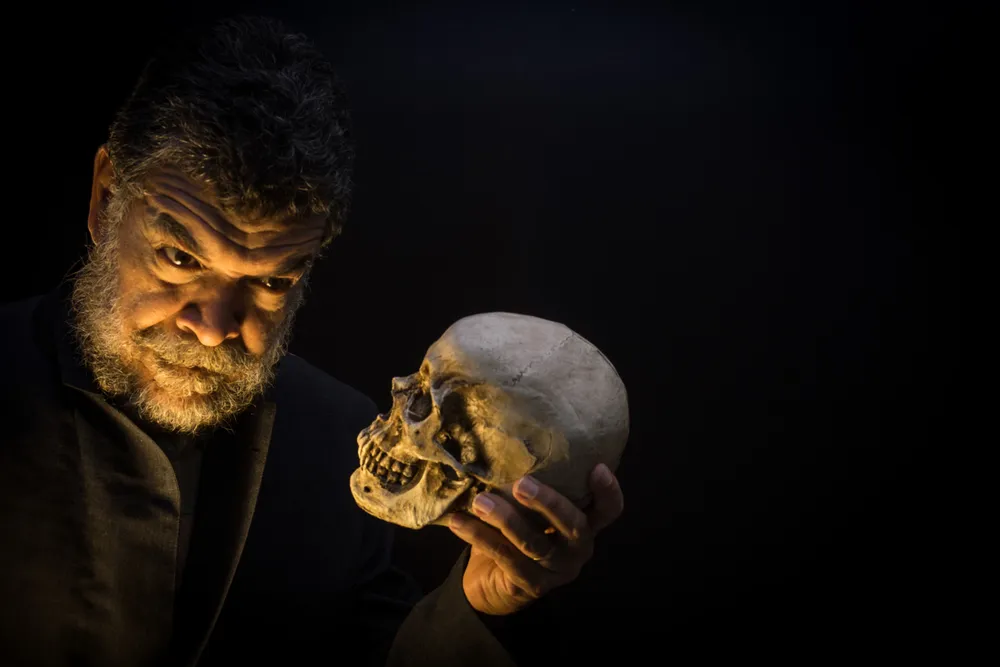
Benjamin Franklin famously quipped that the only certainties in life are death and taxes. Today, most people could justifiably add, "and I don't understand either of them."
This is all to say that a new survey of nearly 1,000 people in the U.K. found that a majority of people are clueless about the realities of death and dying. In the survey, which was released today (May 8), 6 in 10 respondents admitted they knew little or nothing about what happens in the final hours before death. What's more, half of those who admitted ignorance also said that they had been present with someone in their final living moments. [Do People Really Die of Old Age?]
This might seem like a grim poll to conduct, but according to The Academy of Medical Sciences — a fellowship of more than 1,000 U.K. medical scientists, which sponsored the survey — that's sort of the point. According to a statement from the academy, death and dying have become such taboo subjects in Western cultures that many people resist talking about them. (Indeed, of the 966 U.K. adults polled in the new survey, 354 refused to answer any questions.)
This reticence has resulted in a widespread cultural ignorance about death, the survey found. For example, only 42% of respondents said they turn to friends or family for information about death and end-of-life care, while just 22% said they'd be likely to ask medical professionals for information. Roughly the same percentage (20%) of people said they get their information on death from documentaries , and 16% said they get their information from fictionalized TV shows and films.
"TV and films rarely ever depict 'normal' deaths," Dame Lesley Fallowfield, an Academy of Medical Sciences member and professor at the University of Sussex, said in the statement. "For many individuals, death is a gentle, peaceful and pain-free event. Although grieving the loss of loved ones can be a difficult process, some people do speak about their loved one's death as having been a positive experience. We need to demystify death and talk about it more."
Lack of firsthand information may exacerbate people's fears about death, the survey said. When asked about their concerns about a friend or loved one dying, 62% of respondents said they feared the person would be in pain and 52% worried the person would be frightened. According to Fallowfield, this is not always the case.
To help address these concerns and to encourage more open conversation and education about dying, the academy is launching a national awareness campaign. You can learn more about it on the group's website or on the site Dying Matters.
Get the world’s most fascinating discoveries delivered straight to your inbox.
Originally published on Live Science.

Brandon is the space / physics editor at Live Science. With more than 20 years of editorial experience, his writing has appeared in The Washington Post, Reader's Digest, CBS.com, the Richard Dawkins Foundation website and other outlets. He holds a bachelor's degree in creative writing from the University of Arizona, with minors in journalism and media arts. His interests include black holes, asteroids and comets, and the search for extraterrestrial life.