













Genetic Basis for Increased Risk of Impulsive Violence
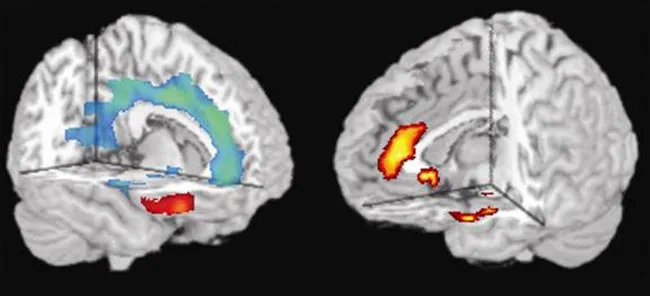
Scientists have identified a gene that may increase the risk for impulsivity and violence, particularly in men.
The new study adds fuel to the debate over whether nature or nurture is to blame for criminal and disagreeable behavior.
Researchers tested 142 healthy volunteers, free from psychiatric or neurological illnesses as well as drug or alcohol abuse, for the presence of a variation of the gene that produces low amounts of monoamine oxidase A (MAO-A)--a substance that previous studies have associated with impulsive violence.
People have one of two versions for this gene--MAOA-L, which produces low levels of MAO-A, and the high level version, MAOA-H.
The researchers also imaged each volunteer's brain activity during a series of tasks, including responding to facial expressions and emotional scenes.
Volunteers with the MAOA-L gene have lower volume in two brain structures, the amygdala and cingulated cortex. The amygdala is associated with fear and anger and the cingulate cortex regulates the amygdala and helps inhibit behavior.
When viewing frightening scenes or faces perceived as angry, MAOA-L individuals showed increased amygdala activity and reduced amygdala-regulating activity.
Get the world’s most fascinating discoveries delivered straight to your inbox.
Men with MAOA-L also showed increased amygdala activity when recalling negative memories, and had impaired function of the cingulated cortex when trying to hold back a physical response.
It is important to note, however, that these individuals are not destined to become violent criminals, as the individuals in the study were all considered psychologically normal.
"By itself, this gene is likely to contribute only a small amount of risk in interaction with other genetic and psychosocial influences; it won't make people violent," said study co-author Andreas Meyer-Lindenberg of the National Institutes of Health. "But by studying its effects in a large sample of normal people, we were able to see how this gene variant biases the brain toward impulsive, aggressive behavior."
The MAOA-L variant is likely just one of many genes that play a role in controlling impulsive aggression. However this finding reveals a connection between a person's genetics and environment when controlling behavior.
This research is detailed in the March 20 online edition of the Proceedings of the National Academy of Sciences.
- Finger Length Predicts Aggression in Men
- Men and Women Really Do Think Differently
- Peace or War? How Early Humans Behaved