













Syphilis: Symptoms & Treatment
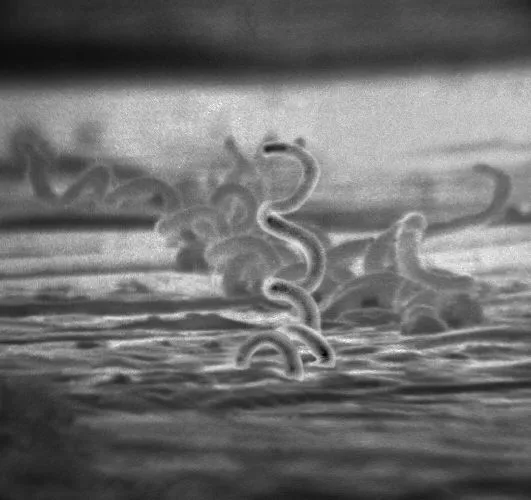
Syphilis is a sexually transmitted disease that is caused by the bacterium Treponema pallidum. After chlamydia and gonorrhea, it is the third most common sexually transmitted disease reported to the U.S. government, according to the Centers for Disease Control and Prevention (CDC).
The infection can affect both men and women, and it typically starts as a painless sore, known as a chancre. Syphilis spreads from person to person through direct contact with a syphilis sore, according to the CDC.
A syphilis sore may be found on the penis, vagina or anus; or it may be found on the rectum, inside the mouth or on the lips, according to the CDC. A person can become infected by having direct contact with a syphilis sore during unprotected vaginal, anal or oral sex. Syphilis can also be passed from an infected mother to her baby during pregnancy.
One of the misconceptions people may have about syphilis is that the disease has been eliminated, said Dr. Lindley Barbee, an infectious-disease specialist at Harborview Medical Center in Seattle.
In fact, syphilis was nearly eliminated about a decade ago, but today the disease is on the rise, according to the CDC: Nearly 28,000 cases of primary or secondary syphilis, the most contagious stages of the disease, were reported to the CDC in 2016. Syphilis rates increased by about 18 percent from 2015 to 2016; the majority of cases occurred in men who have sex with men. [Related: America's STD Epidemic: Chlamydia, Gonorrhea & Syphilis Cases on the Rise]
Congenital syphilis
In 2016, there were about 630 cases of congenital syphilis — the form of the disease in which a pregnant woman transfers the infection to her baby. This represents a 27 percent increase in cases of congenital syphilis from 2015 to 2016, with huge increases seen in California and Louisiana, said Barbee, who is also the medical director, Public Health - Seattle & King County HIV/STD Program.
Congenital syphilis can cause serious health complications, including stillbirth and premature birth, as well as brain and nerve problems in infants, which can result in developmental delays, Barbee told Live Science.
Get the world’s most fascinating discoveries delivered straight to your inbox.
But the troubling rise in syphilis among women and newborns is preventable through routine screening of women during pregnancy and immediate treatment for those women who test positive.
Risk factors
- Having sex with multiple partners
- Engaging in unprotected sex
- Being infected with HIV, the virus that causes AIDS
- Being a male who has sex with men
Prevention
The use of condoms during sexual activity can reduce a person's risk for syphilis, Barbee said. Abstaining from sex or being in a mutually monogamous relationship with an uninfected partner are two more ways to reduce your risk of developing syphilis.
Screening for syphilis
Pregnant women should be screened for syphilis at least once during pregnancy, according to the CDC. This blood test is usually done during the first prenatal visit, but for pregnant women at high risk for syphilis, the screening may be repeated again during the third trimester.
Men who have sex with men are advised to have a syphilis screening at least once a year or more frequently if those men have multiple sex partners, the CDC recommends.
Signs and symptoms
Syphilis has been called "the Great Pretender" because its symptoms can resemble those of many other diseases, according to the CDC.
The symptoms of syphilis in adults can vary, depending on the stage of the infection. There are four different stages: primary stage, secondary stage, latent stage and tertiary stage.
The primary and secondary stages of the disease are the most infectious stages, when it is most likely to be spread to other people who have contact with a syphilis sore.
Primary stage
The first sign of syphilis is typically a small, round, painless sore that appears at the location where the bacterium first enters a person's body. Known as a chancre, a syphilis sore usually develops about three weeks after exposure to the infection, and it usually lasts three to six weeks, whether it's treated or not, according to the CDC.
Even if a chancre heals on its own, this does not mean that syphilis has gone away, Barbee told Live Science. It just means that a person has moved on to a different stage of syphilis, she said.
The sore may appear on a visible location, such as the mouth or lips. But it may also be less noticeable because it's inside a body cavity or in a place that is hidden from view, such as on or around the penis, the vagina, anus or inside the rectum, Barbee said.
Secondary stage
During the secondary stage of syphilis, its bacteria have spread to the bloodstream. People may have a body rash on the palms of their hands and soles of their feet, Barbee said. The rash may look like bug bites and is not itchy, she noted. Besides the hands and feet, the rash may also appear on the neck and torso.
Another common complaint of those with the disease is that they may feel like they have the flu, with such classic symptoms as fever, sore throat, muscle aches, fatigue and swollen lymph glands, Barbee said.
The secondary stage of the infection usually lasts a couple of weeks to a few months, she said. Although these symptoms may go away with time, people who don't receive treatment for syphilis will move on to the next stage of the infection.
Latent stage
During the latent stage of syphilis, a person may not have any visible symptoms of the infection. But despite that lack of visibility, the bacterium that causes syphilis is still hiding in the body, Barbee said. About 25 percent of people with the infection go back to the secondary stage of the disease, while others can stay in this latent stage for 10 to 20 years, or until the disease is treated, she said.
Tertiary stage
The tertiary stage of syphilis is rare and is not seen that much anymore since penicillin became available as a treatment, Barbee said. This stage of the infection has the most severe medical problems associated with it. It can affect many different organs, such as the brain, heart, spinal cord, liver, bones and joints, she said.
Tertiary syphilis can cause widespread damage to many internal organs and can result in death, according to the CDC.
Neurosyphilis and ocular syphilis
If syphilis is not treated, its symptoms can spread to the brain, spinal cord and nervous system, resulting in neurosyphilis; or spread to the eye, causing ocular syphilis. This can happen during any of the four stages of syphilis.
Neurosyphilis may cause a person to develop severe headaches and have problems with muscle coordination. Other symptoms may include numbness, paralysis or dementia, according to the CDC.
Ocular syphilis can affect most structures of the eye and may cause symptoms, such as vision changes and eventually blindness, according to the CDC.
Congenital syphilis
A pregnant woman with syphilis can pass on the infection to her unborn baby, either during pregnancy or during a vaginal delivery, if the baby has contact with a syphilis sore during childbirth, according to the March of Dimes. Congenital syphilis occurs when a baby is born with the infection.
Women who have a positive screening test for syphilis during pregnancy can receive immediate treatment to reduce a baby's risk for developing the infection.
A woman who has syphilis during pregnancy may be more likely to have a miscarriage or premature birth. The infection may also cause the developing fetus to be small for its gestational age or to have a low birth weight, according to the CDC.
If a pregnant woman with syphilis does not receive treatment, she is more likely to have a stillbirth, which is when a baby dies in the womb after 20 weeks of pregnancy. Untreated syphilis during pregnancy can also increase the risk for neonatal death, which is when a baby dies in the first 28 days of life, according to the March of Dimes.
An infected baby may be born without signs or symptoms of syphilis, according to the CDC. And if an infected baby goes without treatment, the infant could develop serious health problems, such as developmental delays, blindness, deafness or seizures, and the disease could be fatal.
Diagnostic testing for syphilis
A blood test drawn from a vein in the arm is typically used to test for syphilis. If a chancre is present, a scraping from the syphilis sore or fluid from a lesion is taken from the affected area. The test will screen for the presence of antibodies in the blood that are produced in response to being infected with Treponema pallidum, the bacterium that causes syphilis.
People who have been diagnosed with syphilis must notify their sex partners so they can also be tested for the infection and receive treatment, if necessary.
Treatment
Syphilis is typically treated with penicillin, usually given as a shot, but there are other antibiotics that can be used when people have allergies to penicillin, Barbee said. With syphilis, there have not been treatment-resistant strains of the bacteria like those that have been observed with gonorrhea, she said.
Newly acquired infections can be resolved quickly with treatment. But longer treatment with several doses of penicillin may be needed if someone has had syphilis for longer than one year.
Penicillin is effective at treating and curing syphilis; however, it is possible to develop the disease again if someone has sexual contact with an infected person.
Additional resources
Cari Nierenberg has been writing about health and wellness topics for online news outlets and print publications for more than two decades. Her work has been published by Live Science, The Washington Post, WebMD, Scientific American, among others. She has a Bachelor of Science degree in nutrition from Cornell University and a Master of Science degree in Nutrition and Communication from Boston University.