














Is Marijuana Bad for Your Heart? Science Can't Say Yet
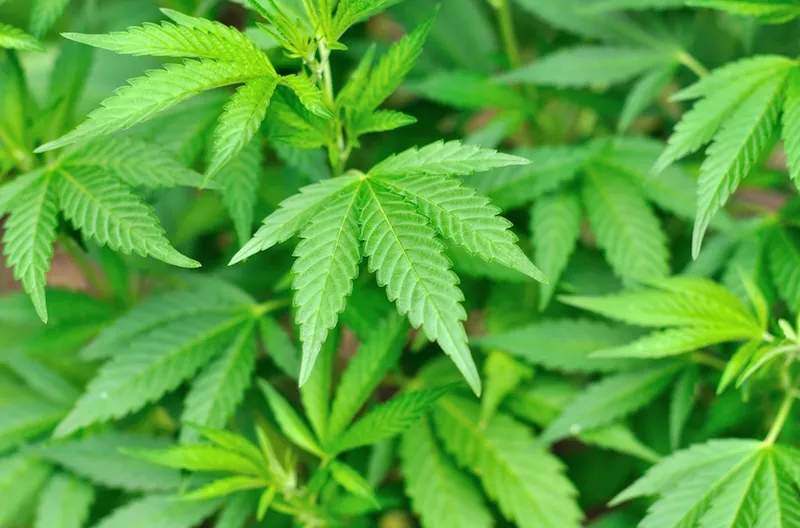
As marijuana legalization spreads across the U.S., questions about the drug's effects on public health become more relevant. But in at least one area — heart health — there's just not enough scientific evidence to reach firm conclusions about the effects of regular marijuana use, a new review suggests.
After reviewing two dozen studies that weighed the benefits and risks of marijuana use in adults, the researchers determined that there was too little information to evaluate the drug's effects on the development of heart-related problems as well as risk factors for heart disease, according to the findings, which were published Jan. 22 in the journal Annals of Internal Medicine.
"The review found insufficient evidence to draw meaningful conclusions that marijuana use is associated with cardiovascular risk factors and outcomes," said lead author Dr. Divya Ravi, a resident in internal medicine at the Wright Center for Graduate Medical Education in Scranton, Pennsylvania. [25 Odd Facts About Marijuana]
A few studies have suggested that marijuana use has positive effects on heart health; however, these studies were cross-sectional, meaning they collected data at a single point in time, Ravi said. But more-robust long-term studies have contradicted such findings of marijuana's possible benefits, reporting potential harmful effects for the drug, she noted.
This isn't the first analysis to suggest that scientists aren't sure how marijuana use affects heart health. A large report published in 2017 from the National Academies of Sciences, Engineering and Medicine reviewed the health effects of marijuana and concluded that "more research is needed to determine whether and how cannabis use is associated with heart attack, stroke and diabetes." That report also found some evidence to suggest that smoking pot may trigger a heart attack.
In the new review, researchers looked at data collected from 13 studies on marijuana use and the drug's effects on various risk factors for heart disease, including obesity, high blood pressure and levels of fat in the blood. The researchers also analyzed data from 11 studies investigating the link between marijuana use and heart-disease outcomes, such as stroke, heart attacks and deaths from heart-related causes.
The studies' participants ranged in age from 18 to 84, and they may have smoked marijuana, consumed it as an edible or used the drug as a pharmaceutical treatment.
Get the world’s most fascinating discoveries delivered straight to your inbox.
Challenges of researching marijuana
The analysis found that there was not enough evidence that a person's marijuana use either increases or decreases most risk factors for heart disease. And the researchers also concluded there was a lack of information on the link between pot use and negative cardiovascular outcomes.
For example, although smoking pot is believed to trigger an increase in appetite, the researchers found no evidence that marijuana use is associated with weight gain or obesity.
Some problems with the reviewed studies were that many of the participants were younger, and heart disease and stroke typically occur in middle-age and older people, the researchers said. In addition, researchers in the reviewed studies often relied on people's memories, asking them to recall their marijuana use, which can be unreliable. And participants may have used different varieties and strengths of the drug, which could complicate comparisons.
Designing studies to understand the health effects of marijuana can be complicated: Marijuana has been an illegal substance, and therefore, researching it has been challenging, Ravi told Live Science. One reason for the difficulty is that conducting observational studies involves asking people about the frequency and intensity of their drug use, she said. In the past, study participants may have felt uncomfortable disclosing their use of an illegal substance to researchers, Ravi said.
She also noted that researchers have to follow large groups of marijuana users and nonusers for long periods of time to observe the effects of daily use on heart health.
At this point, there's too little data on the potential harms or benefits of regular marijuana use for doctors to advise people about the drug's effects on heart health, Ravi said.
Originally published on Live Science.
Cari Nierenberg has been writing about health and wellness topics for online news outlets and print publications for more than two decades. Her work has been published by Live Science, The Washington Post, WebMD, Scientific American, among others. She has a Bachelor of Science degree in nutrition from Cornell University and a Master of Science degree in Nutrition and Communication from Boston University.