














Is Soy Good for the Heart? FDA Proposal Backtracks on Health Claim

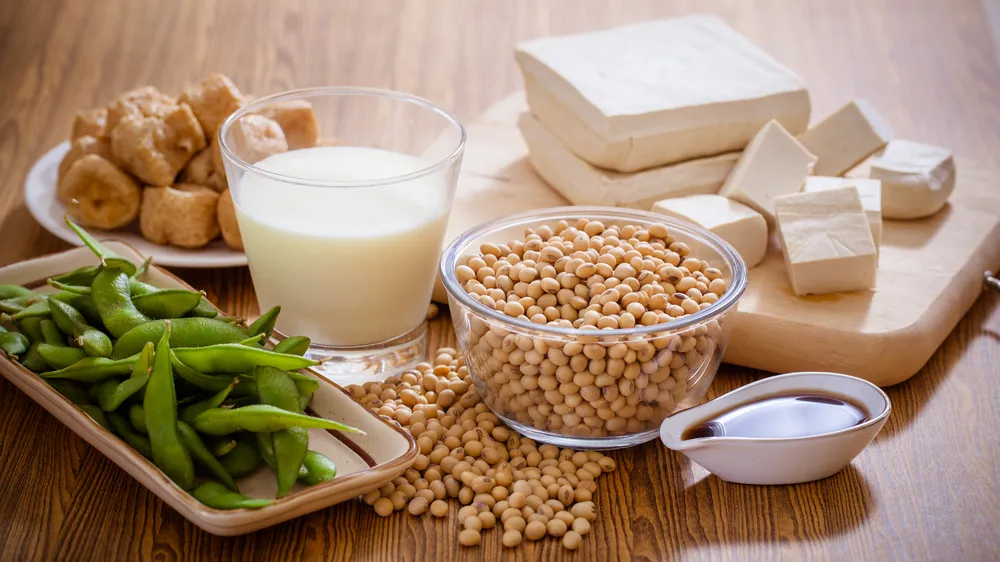
For years, manufacturers of soy protein foods have been allowed to say that eating their products may reduce the risk of heart disease.
But today (Oct. 30), the Food and Drug Administration (FDA) proposed a rule that would revoke this health claim, saying that the science doesn't appear to back it up.
The FDA first approved the claim that soy protein protects against heart disease in 1999. But since then, numerous studies have been published that show mixed results regarding the link between soy protein and heart disease, according to the FDA. For example, although earlier studies suggested that eating soy protein may lower levels of "bad" cholesterol in the bloodstream, later studies failed to confirm this link.
"Our review of that evidence has led us to conclude that the relationship between soy protein and heart disease does not meet the rigorous standard for an FDA-authorized health claim," Susan Mayne, director of the FDA's Center for Food Safety and Applied Nutrition, said in a statement.
Soy protein manufacturers may still be able to put a "qualified" health claim on their products, which means they can use qualifying language to explain "the limited evidence linking consumption of soy protein with heart disease risk reduction," Mayne said.
The FDA is now accepting comments about the proposed rule for 75 days before it makes a final decision. The agency notes that this proposed rule concerns only the link between soy protein and the reduce risk of heart disease, and does not address other purported benefits of soy foods.
Original article on Live Science.
Get the world’s most fascinating discoveries delivered straight to your inbox.

Rachael is a Live Science contributor, and was a former channel editor and senior writer for Live Science between 2010 and 2022. She has a master's degree in journalism from New York University's Science, Health and Environmental Reporting Program. She also holds a B.S. in molecular biology and an M.S. in biology from the University of California, San Diego. Her work has appeared in Scienceline, The Washington Post and Scientific American.