














Yes, You Really Can 'Overdose' on Candy — or at Least One Type

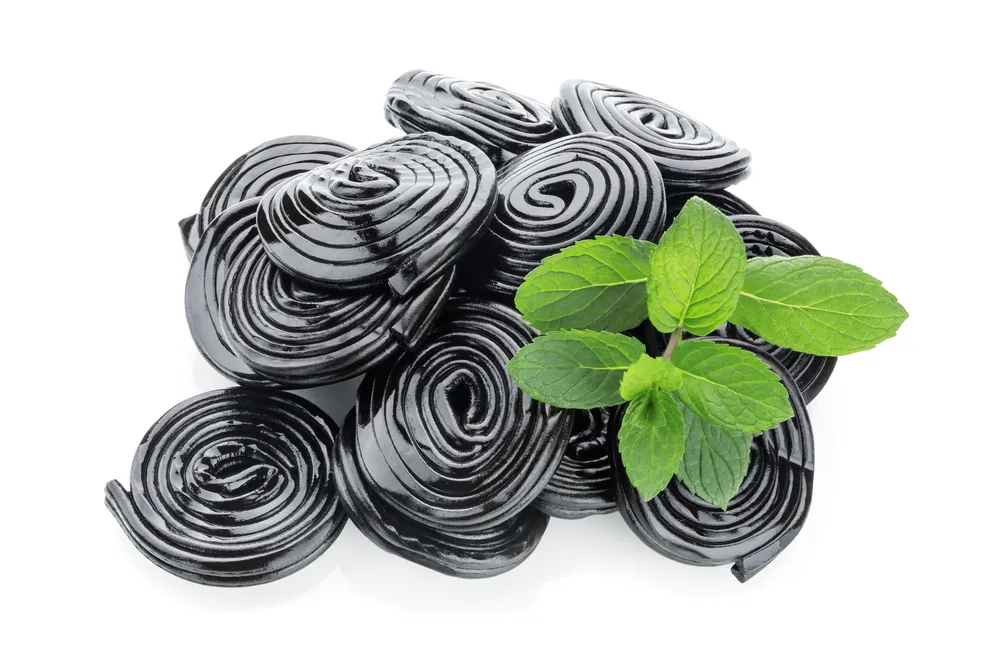
The U.S. Food and Drug Administration (FDA) has a message for candy lovers: "As it turns out, you really can overdose on candy — or, more precisely, black licorice."
The FDA is warning licorice lovers to avoid eating too much of this sweet treat, according to a statement released by the agency yesterday (Oct. 30).
This is because licorice contains a compound called glycyrrhizin, which, in high doses, can be harmful to the heart. Glycyrrhizin can cause potassium levels in the body to fall, which can lead to an abnormal heartbeat, high blood pressure, swelling, lethargy and congestive heart failure, the FDA says. [5 Surprising Halloween Health Hazards]
The compound can be particularly harmful for people ages 40 and older: For people in this age group, eating 2 ounces (56 grams) of black licorice a day for at least two weeks could lead to an irregular heartbeat, according to the FDA. (Black licorice is often sold in 2-ounce bags, the FDA says.)
Dr. Linda Katz, director of the Office of Cosmetics and Colors at the Center for Food Safety and Applied Nutrition at the FDA, noted that the health problems caused by black licorice are not permanent. A person's potassium levels usually return to normal after that person stops eating the food, she said in the statement.
The FDA has the following advice for black-licorice lovers:
- Don't eat large amounts of the candy at once, no matter your age.
- If you have eaten a large amount of black licorice and have an irregular heartbeat or muscle weakness, stop eating the candy, and contact a health care provider.
- Black licorice can interact with some medications, herbs and supplements. Ask a health care professional any questions you may have about possible interactions.
Originally published on Live Science.
Get the world’s most fascinating discoveries delivered straight to your inbox.
