














Western Men See Drop in Sperm Counts, But Cause Remains a Mystery

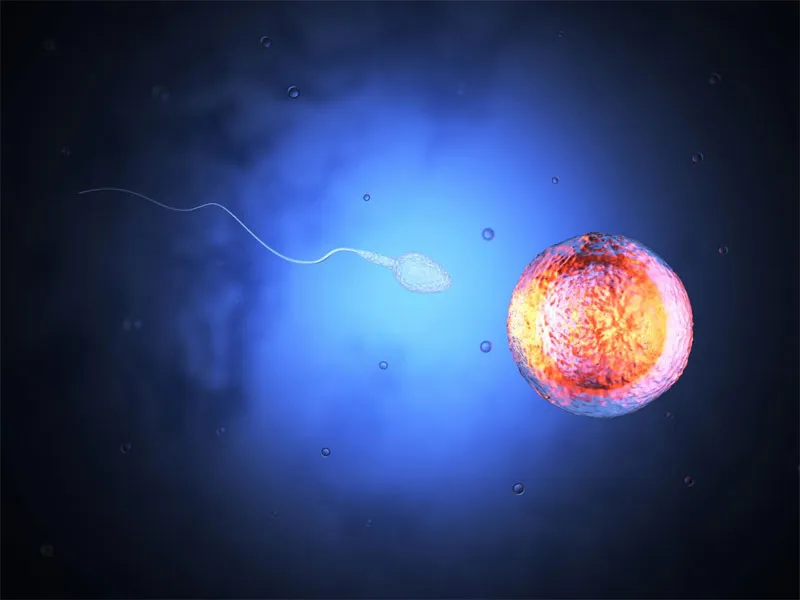
Sperm counts among men in Western countries have dropped considerably in the last several decades, according to a new study.
Researchers analyzed information from 185 previous studies involving a total of more than 42,000 men in 50 countries. These men had all given semen samples for research, but typically not for reasons related to fertility problems. For example, some were college students, or were men who were undergoing health screenings before entering military service.
The results showed that, from 1973 to 2011, there was a decline of more than 50 percent in sperm counts among men living in North America, Europe, Australia and New Zealand.
The researchers said that they cannot determine from their data what might have caused the decline, but it could be related to environmental or lifestyle factors. The findings are concerning, not only because men's sperm counts are linked with their chances of conceiving a child, but also because poor sperm counts have been linked with a number of other poor health outcomes, including an increased risk of early death. [Trying to Conceive: 12 Tips for Men]
"Given the importance of sperm counts for male fertility and human health, this study is an urgent wake-up call for researchers and health authorities around the world to investigate the causes of the sharp ongoing drop in sperm count, with the goal of prevention," Dr. Hagai Levine, lead author of the study and head of the Environmental Health Track at the Hebrew University-Hadassah Braun School of Public Health and Community Medicine in Israel, said in a statement.
Although previous research had suggested there has been a decline in men's sperm count in recent years, the question of whether sperm counts are really dropping remained controversial. The new study is broader and more rigorous in design than previous research, and took into account factors that might explain drops in sperm count, such as age and the method of semen collection, the researchers said.
The researchers did not find a similar decline in sperm counts among men living in South America, Asia and Africa. But they noted that there have been fewer studies on sperm counts on men living in these areas, so it's possible that there has been a decline that has gone undetected, the researchers said.
Get the world’s most fascinating discoveries delivered straight to your inbox.
Some factors that have been linked with lower sperm counts include chemical exposures in the womb, exposures to pesticides, smoking, stress and obesity.
"Thus, a decline in sperm count might be considered as a 'canary in the coal mine' for male health across the lifespan," the researchers wrote in their paper, published July 25 in the journal Human Reproduction Update. "Our report of a continuing and robust decline should, therefore, trigger research into its causes," they said.
Original article on Live Science.

Rachael is a Live Science contributor, and was a former channel editor and senior writer for Live Science between 2010 and 2022. She has a master's degree in journalism from New York University's Science, Health and Environmental Reporting Program. She also holds a B.S. in molecular biology and an M.S. in biology from the University of California, San Diego. Her work has appeared in Scienceline, The Washington Post and Scientific American.