













Obese Men at Greater Risk for Infertility

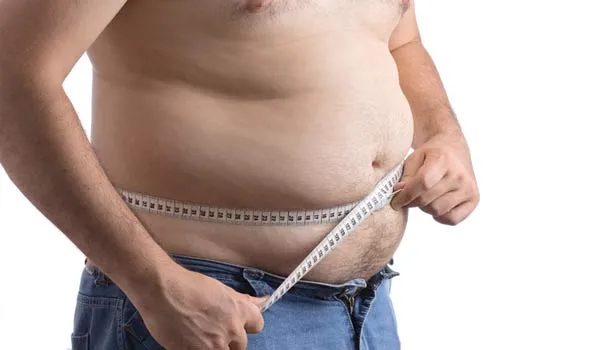
Men who are overweight or obese are at a greater risk for infertility, a new analysis says.
Compared with men of normal weight, overweight and obese men were more likely to have low sperm count, or not have any viable sperm, researchers in France found.
"These data strongly suggest that excess body weight affects sperm production," the researchers wrote in their conclusion.
The findings may help explain why the global obesity epidemic has run parallel with a decrease in male fertility, said study researcher Dr. Sébastien Czernichow, who leads the nutrition department at Ambroise Paré University Hospital in Paris.
Czernichow and his colleagues gathered data from 14 previous studies, including nearly 10,000 men. The researchers looked at each participant's sperm count and body mass index (or BMI), which is a measure of body fatness and is calculated based on weight and height. Men with a BMI of more than 25 are considered overweight, and those with a BMI of more than 30 are considered obese.
They found that among men who were normal weight, 24 percent had a low sperm count and 2.6 percent had no viable sperm. Among the overweight men, 25.6 percent had a low sperm count and 4.7 percent had no viable sperm. Of the men who were obese, 32.4 percent had a low sperm count and 6.9 percent had no viable sperm.
Previous studies looking at the relationship between body mass index and sperm counts have been mixed, with some finding no link. "We believed that this remained a controversial issue," Czernichow told MyHealthNewsDaily.
Get the world’s most fascinating discoveries delivered straight to your inbox.
The link might be explained by the fact that fat tissue can convert male hormones such as testosterone into the female hormone estrogen, Czernichow said. "More fat tissue, more estrogens," he said.
There may also be other ways to explain the link as well, Czernichow said. The hormone leptin, which is produced by fat cells, might damage sperm cells or the cells that produce them. Or it could be that elevated temperatures within the scrotum, due to more fat tissue, harm sperm cells.
More work is needed for researchers to understand the effect of obesity on sperm cells, according to the study.
The analysis was limited, the authors noted, in that some previous studies of the link could not be included in their analysis because data were missing, and in that sperm count is an imperfect measurement of fertility.
The findings are published today (March 12) in the journal Archives of Internal Medicine.
Pass it on: Obese or overweight men are more likely to suffer infertility due to poor sperm counts or lack of viable sperm.
Follow MyHealthNewsDaily on Twitter @MyHealth_MHND. Find us on Facebook.
