













Many Teens with Diabetes Don't Know They Have It

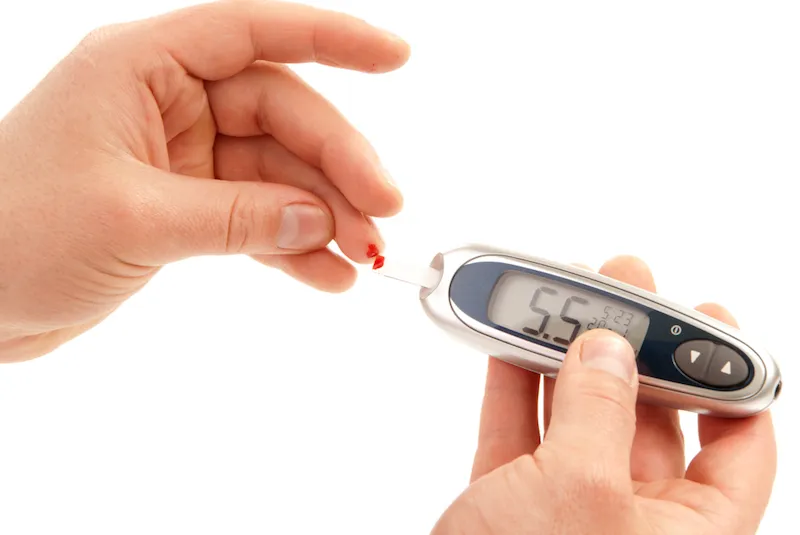
About a third of U.S. teens with diabetes don't know they have the condition, a new study finds.
Researchers analyzed information from more than 2,600 adolescents ages 12 to 19 who were tested for diabetes at some point from 2005 to 2014, as part of a national health survey conducted by researchers at the Centers for Disease Control and Prevention. Participants underwent three tests of their blood glucose levels, and a person was considered to have diabetes if at least one test showed the individual had the condition.
The teens were also asked if they had ever been diagnosed with diabetes.
About 0.8 percent of the teens surveyed had diabetes, and of these, nearly 29 percent didn't know they had the condition, the study found. Among Hispanic and black teens with diabetes, 40 to 50 percent didn't know they had it. [3 Tips for Keeping Teens Healthy]
"A relatively large proportion was unaware of the condition, particularly among non-Hispanic black participants and Hispanic participants, indicating a need for improved diabetes screening among adolescents," the researchers wrote in their study, published today (July 19) in the journal JAMA.
In addition, about 18 percent of the participants had prediabetes, a condition in which blood sugar levels are abnormally high but not high enough to be classified as diabetes. People with prediabetes are at increased risk for eventually developing diabetes.
The new findings "may have important public health implications, because diabetes in youth is associated with early onset of risk factors and complications," the researchers said.
Get the world’s most fascinating discoveries delivered straight to your inbox.
The investigators noted that, to confirm a diagnosis of diabetes, people need to undergo a repeat of their blood glucose test, but participants in the study were tested only one time. This means the study results might overestimate the prevalence of diabetes in teens, the researchers said.
In addition, the study could not determine whether participants had type 1 or type 2 diabetes, the researchers said. Previous studies have estimated that 87 percent of diabetes cases in teens are type 1.
The study was conducted by researchers at the biotechnology company Social & Scientific Systems, Inc. in Silver Spring, Maryland, and at the National Institute of Diabetes and Digestive and Kidney Diseases.
Original article on Live Science.

Rachael is a Live Science contributor, and was a former channel editor and senior writer for Live Science between 2010 and 2022. She has a master's degree in journalism from New York University's Science, Health and Environmental Reporting Program. She also holds a B.S. in molecular biology and an M.S. in biology from the University of California, San Diego. Her work has appeared in Scienceline, The Washington Post and Scientific American.