













What Is Prediabetes? New Quiz Reveals Your Risk

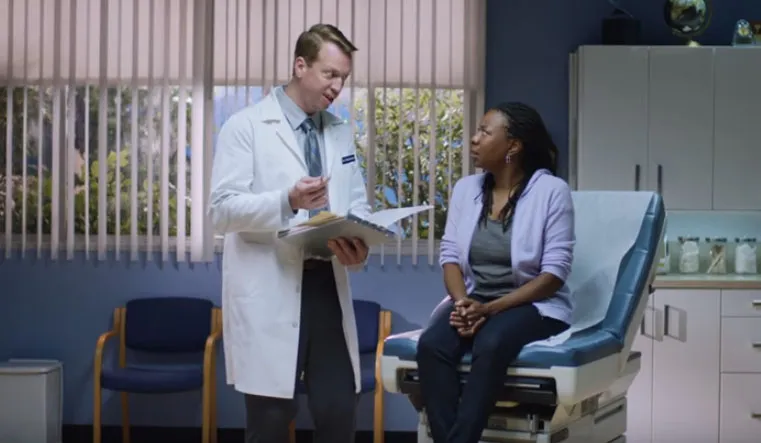
By taking a 1-minute quiz, you can find out if you're at risk for prediabetes. The quiz is part of a new public service campaign that aims to increase awareness of the condition.
The government-backed campaign also includes TV ads that let people take the quiz in real time.
The goal is to give people an idea of their prediabetes risk, according to the Centers for Disease Control and Prevention, which put together the campaign in partnership with the American Diabetes Association, the American Medical Association, and the Ad Council.
More than 1 in 3 U.S. adults (86 million people) have prediabetes — meaning their blood sugar levels are abnormally high, but not high enough to be classified as diabetes. However, just 10 percent of these people are aware that they have the condition.
Prediabetes can be reversed with weight loss and changes in diet and exercise, the CDC says. But up to 30 percent of people whose prediabetes goes untreated will go on to develop type 2 diabetes within five years, and they also may be at increased risk of a heart attack or stroke, according to the CDC.
"I think the scary thing is that this really touches everyone — 1 in 3 could be your brother or sister, your best friend or partner," Lisa Sherman, president and CEO of the Ad Council, said in a statement. "Our hope is that this online test and other campaign materials make it easy for people to know where they stand and will motivate them to take steps to reverse their condition." [The Best Way to Lose Weight Safely]
People can take the prediabetes quiz online, or by texting "RISKTEST" to 97779. The quiz has seven questions, including the following: "Are you a man or a woman?", "Do you have a mother, father, sister or brother with diabetes?" and "How old are you?" People who are older or male, or who have family members with diabetes are at higher risk for prediabetes.
Get the world’s most fascinating discoveries delivered straight to your inbox.
As soon as you finish the quiz, you are given a score from 0 to 10. A score of 5 or higher means that it's likely that you have prediabetes, but you'll need to visit your doctor and take a blood test to find out for sure, the CDC says.
There are several tests for diabetes, including the A1C test, which measures a person's average blood sugar level; the fasting plasma glucose test, which measures blood sugar levels after an 8-hour fast; and the oral glucose tolerance test, which checks blood sugar levels before and after people drink a special sugar solution.
According to the American Diabetes Association, people have prediabetes if they meet one of these criteria:
- They have an A1C test result of 5.7 percent to 6.4 percent.
- They have a fasting blood glucose level of 100 mg/dl to 125 mg/dl.
- They have a blood glucose level of 140 mg/dl to 199 mg/dl on the oral glucose tolerance test.
The prediabetes quiz is available here.
Follow Rachael Rettner @RachaelRettner. Follow Live Science @livescience, Facebook & Google+. Original article on Live Science.

Rachael is a Live Science contributor, and was a former channel editor and senior writer for Live Science between 2010 and 2022. She has a master's degree in journalism from New York University's Science, Health and Environmental Reporting Program. She also holds a B.S. in molecular biology and an M.S. in biology from the University of California, San Diego. Her work has appeared in Scienceline, The Washington Post and Scientific American.