













Poor Sleep May Increase Heart Disease Risk

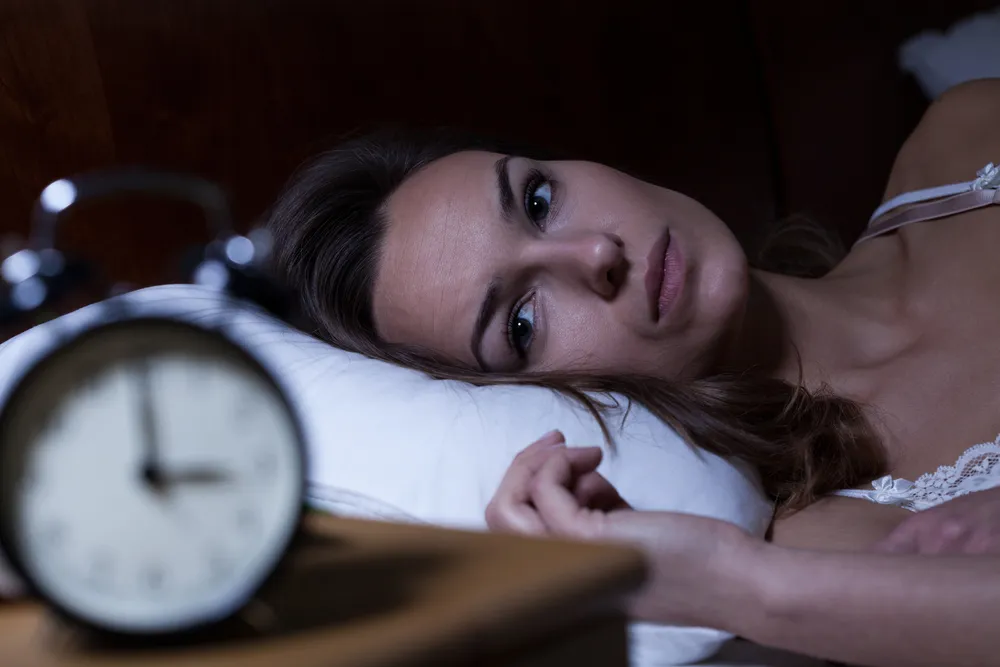
Getting too much or too little sleep may increase a person's risk of heart disease, according to a new study from South Korea.
Men and women in the study who snoozed for 9 or more hours per night had more calcium in their arterial walls and stiffer arteries — two factors that put them at risk for heart disease — than those who slept 7 hours a night. However, people who slept for 5 or fewer hours per night also showed these two risk factors, according to the study.
Sleep quality mattered, too. The researchers found that the people who said they slept poorly were more likely to have these two early signs of heart disease than those who said they slept better, according to the study, published today (Sept. 10) in the journal Arteriosclerosis, Thrombosis, and Vascular Biology. [5 Experts Answer: Is Lack of Sleep Bad for Health?]
Previous studies had found that inadequate sleep is associated with an increased risk of heart attack and stroke, Dr. Chan-Won Kim, an associate professor at Kangbuk Samsung Hospital in South Korea and one of the lead authors of the study, said in an email. But it's possible that other factors, such as depression or obesity, also contributed to the risk, he said.
"A key characteristic of our study is that we studied early markers of heart disease in healthy men and women, before symptoms related to heart disease occur," Kim told Live Science.
In the study, the researchers looked at more than 47,000 young and middle-age adults who reported how long and how well they slept. For about 29,000 of the participants, the researchers looked at data from health screening tests on the amount of calcium in the arteries. For the other 18,000 participants, the researchers looked at data on how stiff the arteries were.
The study showed a "U-shaped curve" between sleep duration and these early signs of heart disease, he said. That means that, as you approach either extreme, your risk of heart disease goes up.
Get the world’s most fascinating discoveries delivered straight to your inbox.
But sleep needs can vary from person to person, Kim said. Some people might feel well rested with just 6 hours of sleep, as opposed to the standard recommended 7 hours, he said.
It is important for people to both get enough sleep and get good-quality sleep, Kim said.
It could be that there really is an optimal amount of sleep, and when people veer away from that, their health is affected, said Dr. Susan Redline, a professor of sleep medicine at Harvard Medical School in Boston, who was not involved in the study.
Many studies have reported increased rates of stroke, heart disease and even early death in people who sleep too long or too short, Redline told Live Science.
And sleep problems are consistently associated with risk factors for the development of heart disease and diseases of the blood vessels, such as hormone disturbances and inflammation, she said.
Given the link between sleep and heart health, it's important for doctors to ask patients about disturbances in their sleep, Redline said. "Just as you would recommend someone who's overweight to lose weight, or someone who's smoking to stop smoking," people who are having trouble sleeping should be encouraged to see a sleep specialist, she said.
"It's much easier to prevent disease than to treat disease," she said.
Follow Live Science @livescience, Facebook & Google+. Originally published on Live Science.
