'Hacking' Gut Bacteria Could Spur New Medical Treatments

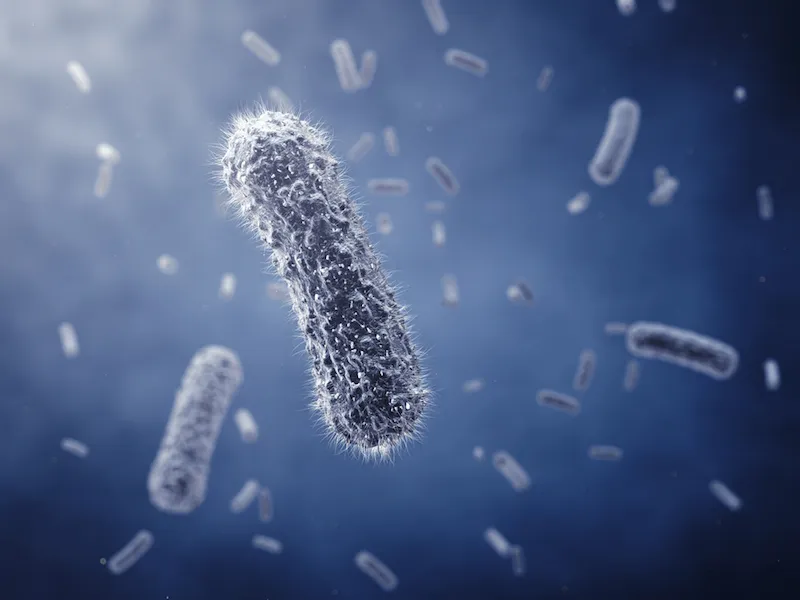
Faintly glowing mouse droppings are now evidence that one of the most common microbes in the human gut can be easily "hacked," or genetically modified, researchers say.
The finding means that the microbe could one day be used in making medicines or detecting diseases, the researchers said.
Of the 100 trillion or so cells that make up the human body, 90 percent are actually bacterial cells, which are mostly either harmless or friendly. For instance, the bacterium E. coli can synthesize vitamin K2.
Recently, scientists demonstrated they could genetically modify some of these bacteria for therapeutic purposes. In 2014, researchers showed that genetically engineered strains of E. coli could produce hunger-suppressing molecules that reduced food intake and obesity in mice.
However, one problem with using E. coli is that it is not present in the gut at high levels. The microbe only makes up about 0.1 percent of human intestinal bacteria. [Body Bugs: 5 Surprising Facts About Your Microbiome]
In the new research, scientists focused on Bacteroides, a type of bacteria that make up about 12 percent of the microbes in the human gut, and helps people break down starches in their food. The prevalence of Bacteroides suggested they have stable, long-term interactions with human cells and other microbes in the intestines, and that genetically modified versions of Bacteroides might stick around in the gut.
The scientists focused on the species Bacteroides thetaiotaomicron, which is present in 46 percent of all people. They took tools already developed for genetically modifying other organisms and used them to precisely program this microbe.
Get the world’s most fascinating discoveries delivered straight to your inbox.
"It was remarkable how many of the genetic parts, sensors and circuitry that were developed for bacteria such as E. coli could be [used on] Bacteriodes," said study co-author Christopher Voigt, a biological engineer at the Massachusetts Institute of Technology.
In experiments where the researchers introduced these genetically modified bacteria into mice, the researchers found they could control the genetic activity of these microbes on demand.
"We were able to control engineered bacteria that were residing in the gut of a mouse by feeding them different foods and chemicals," Voigt told Live Science.
For instance, the scientists could make the microbes secrete a glowing protein much like that found in fireflies. (Voigt noted this glow is faint, and the researchers had to use a special machine to see it.)
The researchers suggested that designer gut microbes could help identify and kill dangerous germs, produce medicines that can treat or prevent ailments such as irritable bowel syndrome, and deal with foods that are difficult to digest.
"This could be a powerful platform for human therapeutics," Voigt said.
Future research will focus on engineering more complex behavior into bacteria, such as the ability to sense and respond to many different signals. The scientists detailed their findings online today (July 9) in the journal Cell Systems.
Follow Live Science @livescience, Facebook & Google+. Original article on Live Science.