













Animal Sex: How Antechinuses Do It

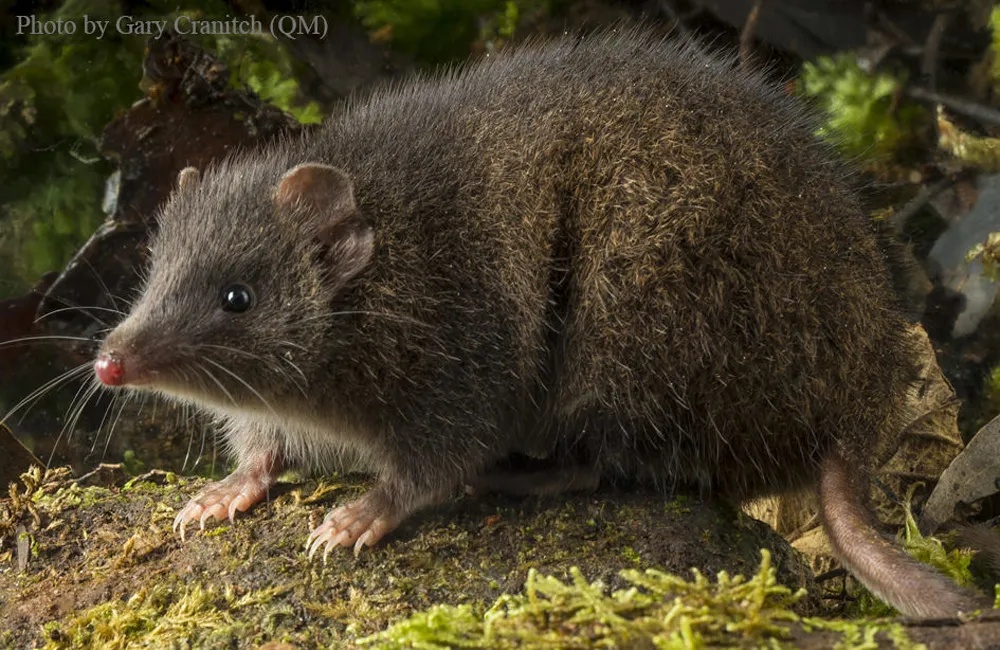
The antechinus is a small, shrewlike marsupial indigenous to Australia and New Guinea. These animals are best known for their odd practice of having sex until it kills them, but what else does their mating behavior entail?
There are currently 15 known antechinus species (animals in the Antechinus genus) living in the forests and woodlands of Australia and New Guinea, five of which were discovered since 2012, said Andrew Baker, a mammal ecologist at the Queensland University of Technology in Australia and leader of the group that made the discoveries.
"It wouldn't surprise me if there were one or two more [Antechinus species] we haven't discovered yet," Baker told Live Science.
Generally speaking, antechinuses are loners that stick to themselves until the breeding season nears.
Antechinuses breed during the Australian winter, when their food — small vertebrates and invertebrates — is scarce. This timing ensures their babies will be born in the spring, when food is bountiful.
Interestingly, males stop producing sperm before the mating season begins.
It's not clear how sexually mature males and females find mates, but Baker suspects scent, and pheromones, are involved. And as with many other species, males likely roam longer and wider in search of sex, he said.
Get the world’s most fascinating discoveries delivered straight to your inbox.
Baker also suspects that male-male fighting is probably common among antechinuses. "They have surging testosterone levels that tend to make them very aggressive," Baker said.
Antechinuses don't bother wasting time with wooing mates or engaging in courtship rituals. Instead, they prefer to get down to business immediately.
In fact, a male has no issue with resorting to ambush mating, during which he will catch hold of a female from behind and mate with her while grabbing the scruff of her neck with his forepaws and biting her neck.
It's not uncommon to find females with tufts of fur around the neck area missing, Baker said, adding that females are fine with the rough ambush as long as they have an opportunity to mate with other males afterward.
Both male and female antechinuses are promiscuous, and will try to mate with numerous partners throughout the breeding period. However, to increase their chances of fathering offspring, males will mate with females for as long as possible.
Scientists have documented antechinus copulation events lasting for 10, 12 and even 14 hours. "That's intermittent thrusting between just one male and one female," Baker said. When not thrusting, the male will guard the female, keeping her from getting away (and looking for other mates) and other males from getting to her.
Anetchinuses will mate continuously for the entire breeding period, which lasts, on average, about two weeks. This activity takes a toll on the male's body.
The sustained high levels of testosterone stop the production of cortisol from being turned off, allowing males to burn more sugar, Baker said. "It frees them from the need to feed as often, but the downside is that cortisol in sustained levels is poisonous," he said.
Over time, the males will start to behave erratically, bleed internally, lose fur, develop sores and ulcers that don't heal, become blind, and develop high parasite loads as their immune system shuts down. "They are like a blank slate for every parasite and disease going around," Baker said.
It's rare for a male to survive the breeding period.
Females, on the other hand, may die of exhaustion after weaning their litter, which have multiple paternities. Less than 50 percent of females make it to their second breeding season, and only a very small percentage make it to their third, Baker said.
Follow Joseph Castro on Twitter. Follow us @livescience, Facebook & Google+.
