













Penguins Are Well Dressed, But Have Poor Taste

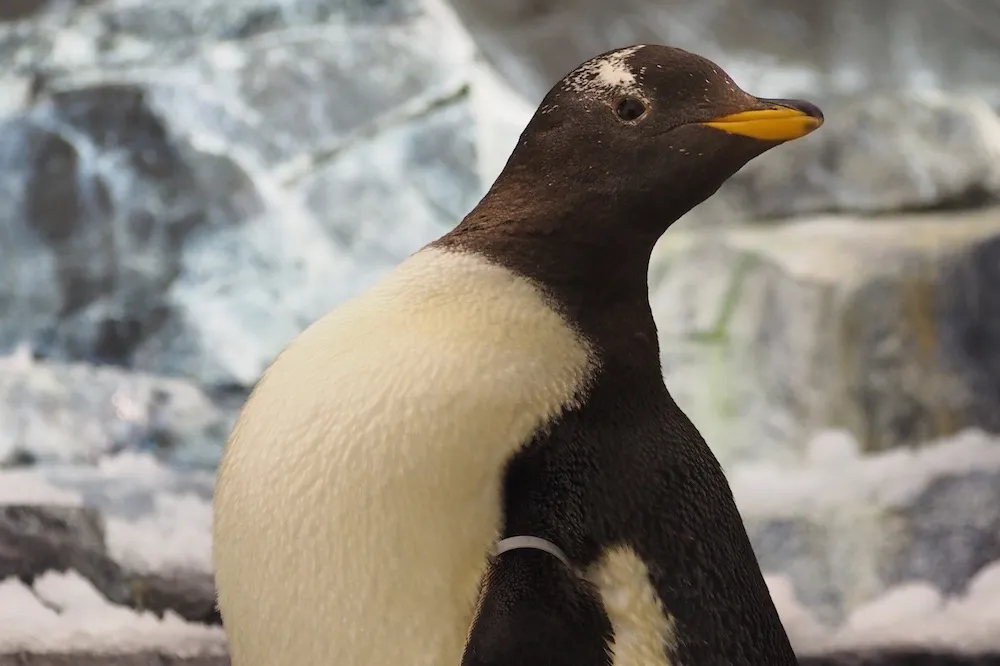
Despite their tuxedo style, when it comes to enjoying food, penguins have poor taste, a new study finds.
These flightless birds can't taste the savoriness of fish or the sweetness of fruit, because over the course of evolution, they have lost the ability to taste all but salty and sour flavors.
Taste comes in five basic types: sweet, salty, sour, bitter and umami (savory). Many birds, such as chickens and finches, lack the receptors for sweet taste, but they can still taste bitter and umami. [Tip of the Tongue: The 7 (Other) Flavors Humans May Taste]
"Penguinseat fish, so you would guess that they need the umami receptor genes, but for some reason they don't have them," Jianzhi "George" Zhang, an evolutionary biologist at the University of Michigan and co-author of the study published yesterday (Feb. 16) in the journal Current Biology, said in a statement.
In a previous study, Zhang's colleagues were sequencing the genomes of Adelie and emperor penguins, when they realized they couldn't find the genes for sweet, bitter and umami tastes. Now, Zhang and his team have found that all penguin species lack these genes.
The birds may have lost these tastes not because they weren't useful, but because taste receptors (tiny sensory organs mainly on the tongue) don't work in really cold environments such as Antarctica, where the penguins live, the researchers said.
In addition, penguins have unusual tongues. Studies have found that some penguins lack taste buds altogether. Instead, their tongues are covered with small, stiff nipple or hairlike structures called papillae — covered by a thick horny layer. This helps the animals catch and hold onto their food.
Get the world’s most fascinating discoveries delivered straight to your inbox.
Finally, penguins usually swallow their food whole. Whether the birds don't need to taste their food on the way down because they swallow it whole, or they swallow it whole because they can't taste it, the scientists aren't sure.
Follow Tanya Lewis on Twitter. Follow us @livescience, Facebook & Google+. Original article on Live Science.
