













Ebola Virus Still Infectious for a Week After Death

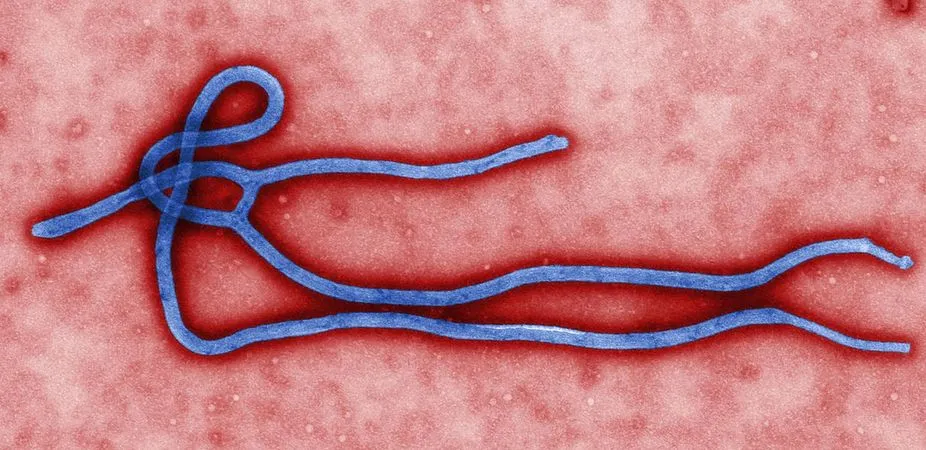
The Ebola virus may still be able to cause disease a week after a person infected with the virus has died, a new study suggests.
The study involved five macaque monkeys that had been infected with Ebola for previous research, and were euthanized after they showed symptoms of the disease. Their bodies were then placed in a chamber designed to mimic the hot and humid conditions of West Africa, and the researchers collected samples for 10 weeks.
The scientists detected infectious virus on the bodies up to seven days after the monkeys' deaths.
The results confirm that "transmission [of Ebola] from deceased persons is possible for an extended period after death," the researchers write in an upcoming issue of the journal Emerging Infectious Diseases. "Family members exposed to [Ebola] patients during late stages of disease, or who had contact with deceased patients have a high risk for infection," the researchers said. [Where Did Ebola Come From?]
The study also detected genetic material from the Ebola virus for up to 10 weeks after death. However, this genetic material was somewhat degraded, and no longer able to cause disease. Still, the presence of such genetic material could help researchers determine whether a person or animal had died from Ebola, the researchers said.
Follow Rachael Rettner @RachaelRettner. Follow Live Science @livescience, Facebook & Google+. Original article on Live Science.
Get the world’s most fascinating discoveries delivered straight to your inbox.

Rachael is a Live Science contributor, and was a former channel editor and senior writer for Live Science between 2010 and 2022. She has a master's degree in journalism from New York University's Science, Health and Environmental Reporting Program. She also holds a B.S. in molecular biology and an M.S. in biology from the University of California, San Diego. Her work has appeared in Scienceline, The Washington Post and Scientific American.