













Ebola Update: 50 People in Texas Now Being Watched for Virus

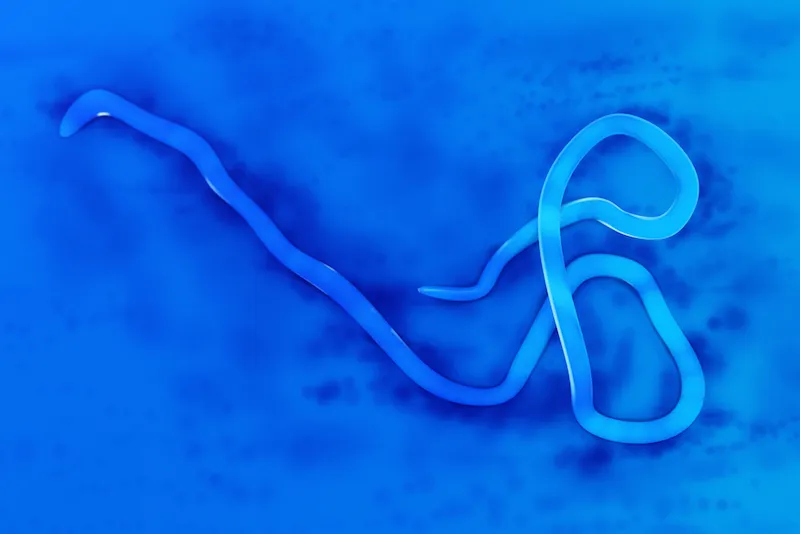
The number of people who had contact with the Texas Ebola patient and are being monitored for signs of Ebola is now 50, dropping from the 100 people the Centers for Disease Control and Prevention reported it was watching yesterday.
Most of the 50 people who are being monitored daily are at low risk, but about 10 are considered to be at higher risk of contracting the virus, Dr. David Lakey, commissioner of the Texas Department of State Health Services, said at a news conference today (Oct. 3).
Ebola patient Thomas Eric Duncan developed symptoms four days after arriving from Liberia. He is being treated in isolation at Texas Health Presbyterian Hospital. His family members are quarantined in their Texas apartment for three weeks, and doctors are taking their temperature twice a day to monitor for symptoms in case they are infected.
The investigators had initially identified more than 100 people who could have come into contact with Duncan, but further investigations revealed many were not at risk for exposure. Ebola transmits only through close contact with an infected patient who is showing symptoms.
The ongoing Ebola outbreak in West Africa has sickened more than 7,150 people since it began in early 2014. More than 3,300 of the patients have died.
Even a single case of Ebola seems threatening, but the truth is we know how to stop Ebola, said Dr. Beth Bell, director of the CDC's national center for emerging and zoonotic infectious diseases.
The CDC issued a new health advisory yesterday, asking U.S. hospitals to increase their vigilance by inquiring about patients' travel history to West Africa in the 21 days before a patient has started experiencing fever or other symptoms consistent with Ebola. Hospitals are advised to put such patients in isolation units until further tests can be performed.
Get the world’s most fascinating discoveries delivered straight to your inbox.
Fourteen states are currently equipped with labs that are capable of testing for Ebola. If it is determined that a patient needs to be tested, a blood sample is drawn and sent to a lab, and it usually takes about a day to get the results back, Bell said.
A freelance cameraman for NBC News has recently become ill with Ebola, the network said yesterday (Oct. 2). The 33-year-old journalist, Ashoka Mukpo, was covering the outbreak in Liberia and is now the fifth American infected with Ebola. Previously, four U.S. health workers were infected with Ebola while working in West Africa and were brought to the United States for treatment.
Email Bahar Gholipour. Follow Live Science @livescience, Facebook & Google+. Originally published on Live Science.
