













In Photos: Namibia's Zebras Lured to their Deaths

Grazing in Namibia

Scientists have found that areas contaminated with the anthrax bacterium, which causes the infectious anthrax disease, lure grazing animals such as zebras and wildebeest. The research, published in the Oct. 1, 2014 issue of the journal Proceedings of the Royal Society B, suggests such sites may lead to new rounds of infections.
Grazing Zebras

Scientists studied zebra carcasses in Etosha National Park in Namibia from 2010 to 2013. Since the anthrax bacterium is widespread in Namibia, it is thought of as part of the natural ecosystem there. Grazing herbivores such as zebras die within days of ingesting a lethal dose of the bacterium.
Zebra Carcass
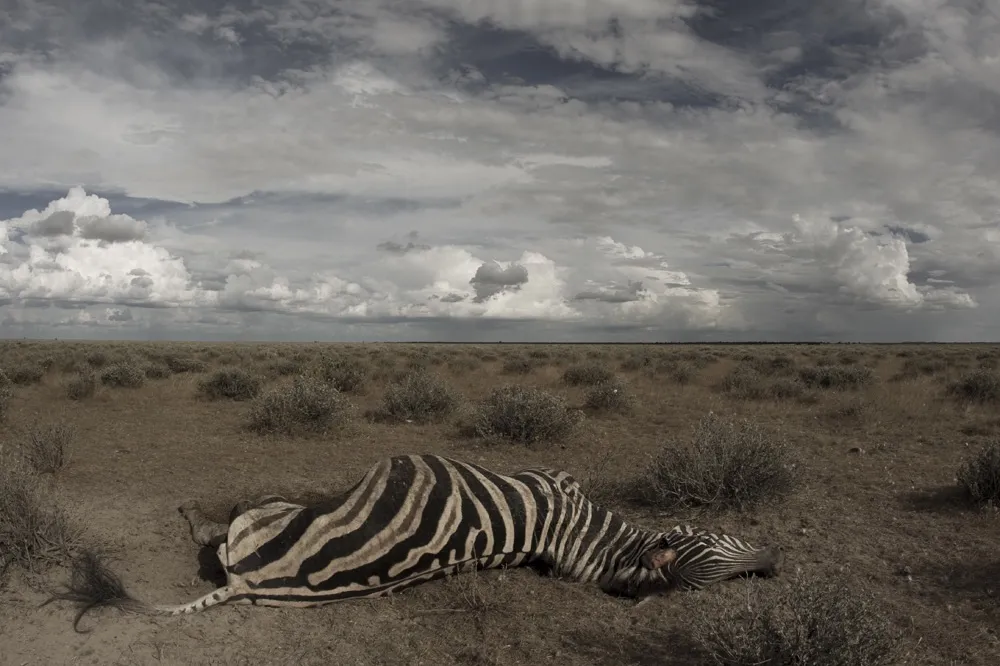
In the new study, Wendy Turner, an ecologist at the University of Oslo in Norway, and her colleagues monitored the grazing habits of herbivores such as elephants, wildebeest and zebras at 13 sites affected by anthrax-infected carcasses and 13 sites without such carcasses.
Anthrax Site

Results of the investigation revealed anthrax spores remained in the park's grasses for up to two years after an infected zebra had died. In addition, the soil in those areas was enriched with nutrients like nitrogen and phosphorus; the grasses around these infected carcasses was also much taller and richer in nutrients compared with the other sites.
Here, a site in the Etosha National Park in Namibia one year after the death of a zebra infected with the anthrax bacterium. Taller, greener grasses can be seen near the central stake marking where the carcass was located.
Zebra bones

The grass, Enneapogon desvauxii growing near the bones of a plains zebra that died from anthrax one year previously in Etosha National Park, Namibia.
Post-Scavengers

A zebra anthrax carcass site after scavengers consumed the carcass and dispersed the remains.
Get the world’s most fascinating discoveries delivered straight to your inbox.
