













Earthquake Strikes Southern Iran

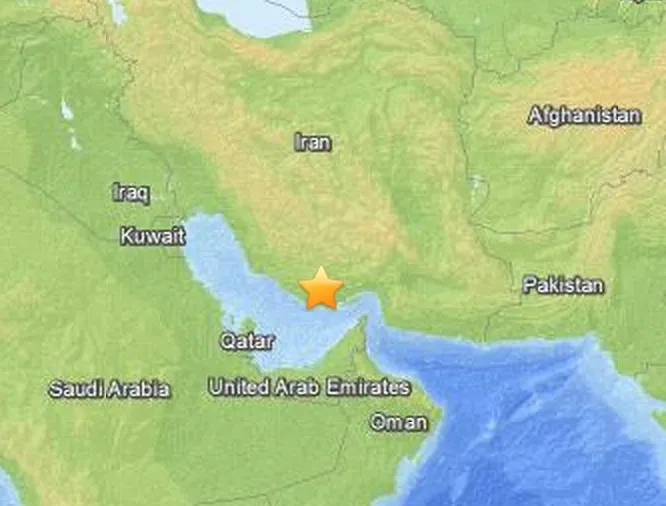
A deadly earthquake of preliminary magnitude 5.5 struck southern Iran today, according to the U.S. Geological Survey (USGS).
The earthquake killed at least one person, injured 30 others and damaged buildings in the small city of Bastak, Reuters reported, citing Iranian state media.
The temblor's epicenter was near Bastak, about 29 miles (47 kilometers) south of the city of Lar. It originated 6.3 miles (10.1 km) deep and struck at 06:43 a.m. local time (3:43 UTC), the USGS reports.
Earthquakes of this size are often felt across a wide area and may cause minor to moderate damage, such as cracked plaster. They can cause significant damage in areas with outdated building standards. But the damage caused by any single event depends on the quake's depth, proximity to populated areas, building standards in the region, as well as the type of earthquake. The USGS frequently updates the magnitude of an event after more data is analyzed.
An earthquake's magnitude is a measure of the energy released at the source. It is just one predictor of the shaking that may ensue, which is affected by local and regional geology. Scientists know in a general sense what causes Earthquakes but are unable to predict specific quakes.
This article will be updated if significant additional information becomes available. Find more earthquake news here.
Follow us @livescience, Facebook & Google+.
Get the world’s most fascinating discoveries delivered straight to your inbox.

For the science geek in everyone, Live Science offers a fascinating window into the natural and technological world, delivering comprehensive and compelling news and analysis on everything from dinosaur discoveries, archaeological finds and amazing animals to health, innovation and wearable technology. We aim to empower and inspire our readers with the tools needed to understand the world and appreciate its everyday awe.