Marc Bekoff, emeritus professor at the University of Colorado, Boulder, is one of the world's pioneering cognitive ethologists, a Guggenheim Fellow, and co-founder with Jane Goodall of Ethologists for the Ethical Treatment of Animals. This essay is adapted from one that appeared in Bekoff's column Animal Emotions in Psychology Today. He contributed this article to LiveScience's Expert Voices: Op-Ed & Insights.
A friend of mine recently sent me a beautiful and moving photo essay published by Isa Leshko capturing the "beauty and dignity of elderly animals ... in their winter years." As I looked at each of the pictures, I remembered a wonderful, novel and seminal book by University of Waterloo biologist Anne Dagg called "The Social Behavior of Older Animals" (Johns Hopkins University Press, 2008). This book is important because Dagg asks a host of very important questions for which the database is scant, and summarizes what little is known about older animals in the wild. For example, do aging animals know their behavior is changing and how do they compensate for being less mobile and active? How do older animals spend their time? How do group members interact with older animals? Do younger group members look to the elders for guidance? How do the elders interact with other group members?
Because older animals typically are non-reproductive, they might have more free time to be caretakers for youngsters and sick or disabled individuals in their group — and thus free up other group members to hunt or to protect territory and food.
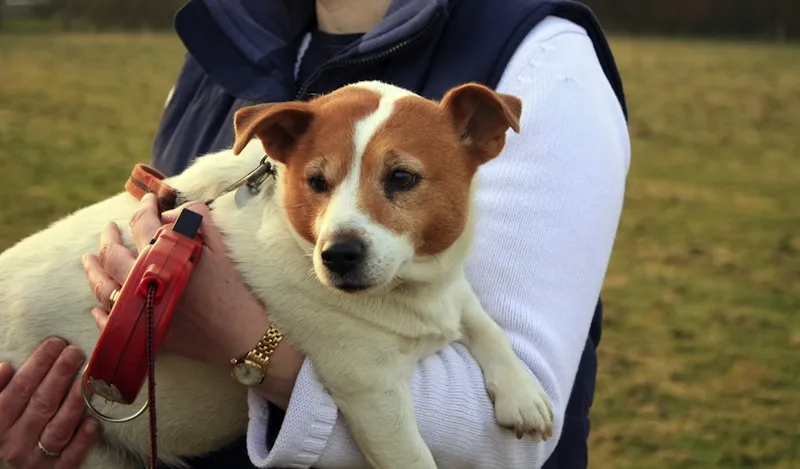
Most discussions of elderly nonhuman animals (animals) are concerned with people's companions, ranging from dogs, cats, horses and various rodents to birds, lizards, fish and other animals with whom people choose to share their homes and their lives. It's very common for people who share their homes and lives with other animals to have to make incredibly difficult end of life decisions for older friends, as discussed by Jessica Pierce in her book "The Last Walk: Reflections on Our Pets at the End of Their Lives" (University Of Chicago Press, 2012) and in her essays for Psychology Today. For example, many people are faced with having to put a companion animal "to sleep" and wonder is it really time to do so, what is the best way to do it, and is it in the best interests of the animal? Only rarely do wild animals get the same sort of treatment, perhaps when a researcher or another person sees them in interminable pain.
I'm sharing both of these resources with you because society really needs to pay more attention to the ways in which animals age, and also their role in social systems. Indeed, aging companion animals and others with whom people have more than casual contact often, and should, influence the behavior of the people with whom they are living and likely change the social behavior of other nonhumans with whom they share their home.
Stories abound about those changing social dynamics, but there has been little systematic study of them. The research community would welcome detailed data, as they would be most useful.
If you're a topical expert — researcher, business leader, author or innovator — and would like to contribute an op-ed piece, email us here.
Among wild animals, the importance of elderly matriarch elephants to elephant societies is legendary: They are the leaders of their herd and the "social glue" for maintaining group cohesion. When I had the most fortunate opportunity of watching wild elephants in the Samburu National Reserve in northern Kenya with renowned elephant expert Iain Douglas-Hamilton, I once saw a herd of elephants right after their matriarch died and it was clear that something traumatic had happened. When I asked Iain about this, he told me the matriarch had indeed recently died and that's why individuals seemed lost — they wandered here and there and their grief was palpable even to me, a novice elephant watcher. [ Do Elephants Weep as an Emotional Response? (Op-Ed ) ]
Sign up for the Live Science daily newsletter now
Get the world’s most fascinating discoveries delivered straight to your inbox.
The field is wide open for detailed comparative studies of the behavior, social roles and lives of aging and elderly animals in the wild. The publisher's description of Anne Dagg's book is a useful guide for what she covers and what needs to be done: "Synthesizing the available scientific research and anecdotal evidence, she explores how aging affects the lives and behavior of animals ranging from elk to elephants and gulls to gorillas, examining such topics as longevity; how others in a group view senior members in regard to leadership, wisdom, and teaching; mating success; interactions with mates and offspring; how aging affects dominance; changes in aggressive behavior and adaptability; and death and dying. At once instructive and compelling, this theme-spanning book reveals the complex nature of maturity in scores of social species and shows that animal behavior often displays the same diversity we find in ourselves." Dagg discusses, for example, the possibility that older animals can be thought of having "good genes" because they're able to survive into their senior years and also can be sources of traditional knowledge — cultural knowledge, if you will — for other group members. As I mentioned above, very little is known about the behavior of aging and older wild animals, so there are many theses waiting to be done in this area of research.
I look forward to seeing the results of these most important studies for companion and wild animals — from them, I am sure that as a society, we will also learn a lot about ourselves.