













Slimy Suspects: How Millipedes Likely Caused a Train Wreck

In the event of a collision, there's usually someone to blame, like a driver who's texting or is under the influence of drugs or alcohol. But in a recent train collision in Australia, the usual suspects were ruled out in favor of a less common culprit: millipedes.
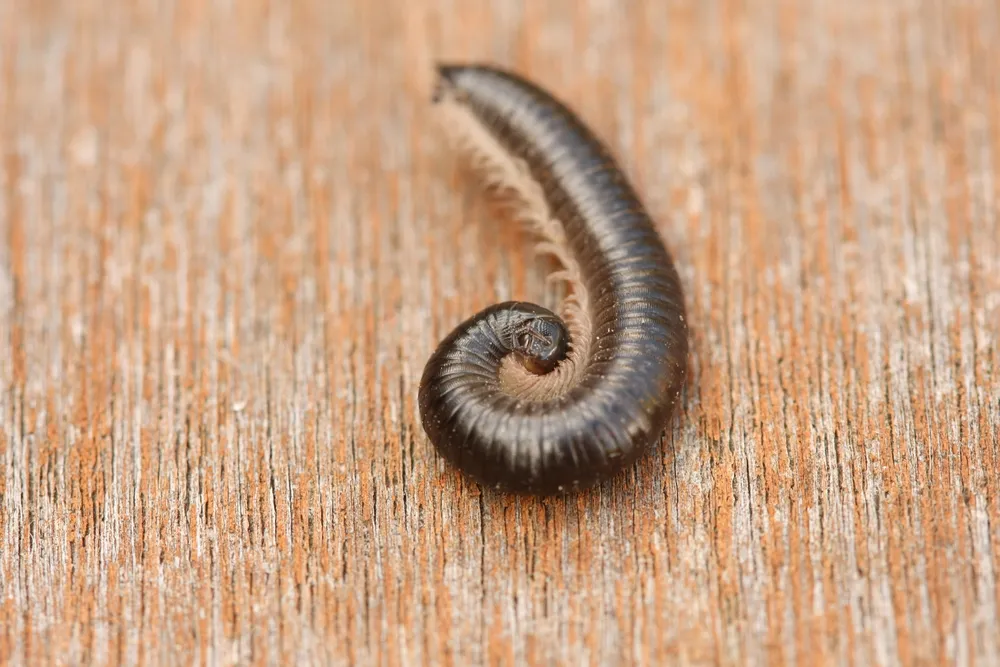
Hundreds of small black Portuguese millipedes (Ommatoiulus moreletii) are the likely culprits in a train collision north of Perth, Australia, which injured six passengers. "Millipedes are one of the factors we are going to take into account," David Hynes, spokesperson for the Public Transport Authority of Western Australia, told Reuters.
"What happened in previous instances is trains which were traveling at speed have gone over an infestation, crushed them and made the tracks slimy," Hynes said. "The train loses traction and the train has slipped."
Millipedes aren't the only small animals that can create hazardous travel conditions. Midges, the flying insects known as bloodworms in their larval stage, have a habit of dying by the millions on roadways, where their bodies can make the road surface too slippery for cars and trucks to travel safely. [See Photos of the Leggiest Millipedes]
Earthworms, toads and even turtles have been cited as causing dangerously slippery road conditions. In some areas like Florida, the problem has grown so severe that tunnels and culverts have been constructed to reduce the roadkill problem and make driving safer.
The black millipedes in Australia are native to Portugal, but were introduced Down Under in 1953; they spread rapidly and are now viewed as invasive pests. When threatened, the millipedes secrete a foul-smelling fluid that contains hydrogen cyanide that can stain anything it touches and is very irritating to mucous membranes, especially around the eyes.
Because they favor moist environments, the millipedes sometimes cluster on damp roadways and train tracks. In 2009, they overran train tracks near Melbourne, Australia, forcing the cancellation and delay of several trains. "When the trains run over them, they get squashed and can interfere with our signaling because the equipment is so sensitive," a railway spokesman told The Age.
Get the world’s most fascinating discoveries delivered straight to your inbox.
Follow Marc Lallanilla on Twitter and Google+. Follow us @livescience, Facebook & Google+. Original article on LiveScience.
