















Mysterious Dolphin Die-Off Puzzles Scientists

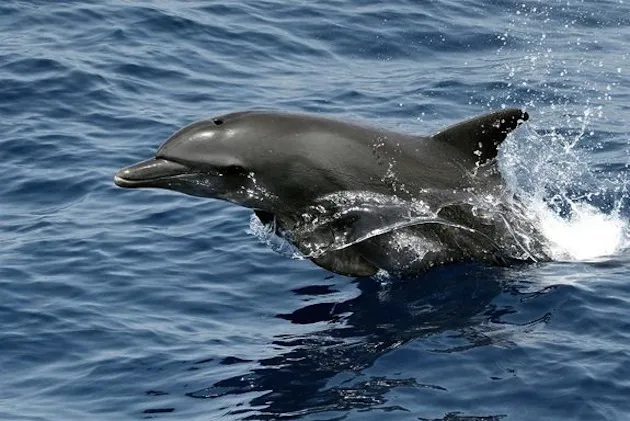
Something is causing a massive die-off of dolphins along the East Coast of the United States, and scientists are struggling to find the cause.
From Virginia to New York, more than 220 dead or dying bottlenose dolphins (Tursiops truncatus) have washed up onto beaches and sandbars since July. In Virginia alone, there were 45 dolphin strandings in July, compared to a historic average of only seven for July, according to the National Oceanic and Atmospheric Administration (NOAA).
One issue that makes this mass die-off a concern is its vast geographic spread. "This particular event is the first one that's incorporated New York," Kimberly Durham, rescue program director of the Riverhead Foundation for Marine Research and Preservation in Riverhead, N.Y., told LiveScience. [Deep Divers: A Gallery of Dolphins]
This year's dolphin deaths are being compared to the last time mass mortalities were recorded: In 1987 and 1988, more than 700 dead bottlenose dolphins were found from New Jersey to Florida. The cause was determined to be an epidemic of morbillivirus, a virus related to the one that causes measles. A few dolphins in this year's die-off tested positive for morbillivirus, according to CBS News.
But scientists also found that many of the deaths in 1987-1988 were linked to exposure to brevetoxin, a toxic compound that's found in harmful algal blooms (sometimes referred to as "red tide").
Mass dolphin deaths like the one now striking East Coast dolphins rarely have just one cause, Durham explains, and could involve a range of contributing factors like bacterial infection, lack of food or other environmental stresses that compromise the dolphin's immune system.
"We're not limiting the investigation to just one factor," Durham said, adding that dolphin researchers are looking at everything "that could challenge their immune system." Even sonar, which is used by boats and submarines to detect other vessels and is known to stress dolphins and whales, is considered a possible culprit. "Sonar — that's always on the list," Durham said.
Get the world’s most fascinating discoveries delivered straight to your inbox.
The investigation into the dolphin die-off is complicated by the difficulty in performing a necropsy of a dolphin a day or two after it has died. "You lose a lot of valuable information as time goes on," Durham said. For example, "it is a very small window of time that you can get blood."
Because of this, Durham and other experts are urging the public to contact their regional agency for marine mammal strandings as soon as possible. Most maintain a 24-hour hotline; otherwise, people on the East Coast can call 866-755-6622 to be connected with the Stranding and Entanglement Hotline operated by NOAA.
Follow Marc Lallanilla on Twitter and Google+. Follow us @livescience, Facebook & Google+. Original article on LiveScience.
