














Human-Caused Climate Change 'Extremely Likely,' Leaked UN Report Finds

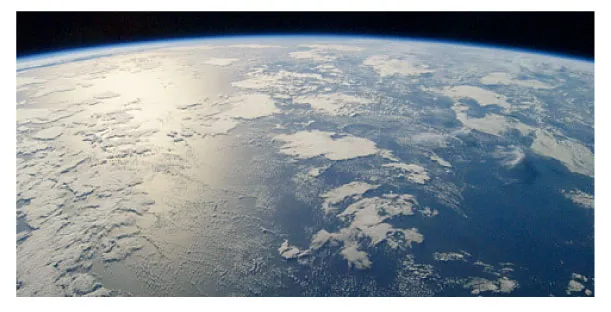
Humans are most likely to blame for warming temperatures across the globe in recent decades, according to a leaked study from an international committee of scientists.
The findings are part of an impending report from the Intergovernmental Panel on Climate Change, which publishes a big update every five or six years, and largely guides policy based on the group's analysis of the state of climate change and the associated risks, reported the New York Times. A draft of the report was leaked over the weekend, and was first reported on by Reuters.
"It is extremely likely that human influence on climate caused more than half of the observed increase in global average surface temperature from 1951 to 2010," the scientists wrote in their draft report, according to the Times. "There is high confidence that this has warmed the ocean, melted snow and ice, raised global mean sea level and changed some climate extremes in the second half of the 20th century."
The scientists say the recent slowing of the pace of global warming — an argument popularly used by climate change deniers — is likely the result of short-term effects, and if greenhouse gas emissions are left unchecked, sea levels could rise by more than 3 feet (0.91 meters) by the end of the century.
Follow Denise Chow on Twitter @denisechow. Follow LiveScience @livescience, Facebook & Google+.
Get the world’s most fascinating discoveries delivered straight to your inbox.

Denise Chow was the assistant managing editor at Live Science before moving to NBC News as a science reporter, where she focuses on general science and climate change. Before joining the Live Science team in 2013, she spent two years as a staff writer for Space.com, writing about rocket launches and covering NASA's final three space shuttle missions. A Canadian transplant, Denise has a bachelor's degree from the University of Toronto, and a master's degree in journalism from New York University.