














Vitamins 'Too Much of a Good Thing' Doc Says

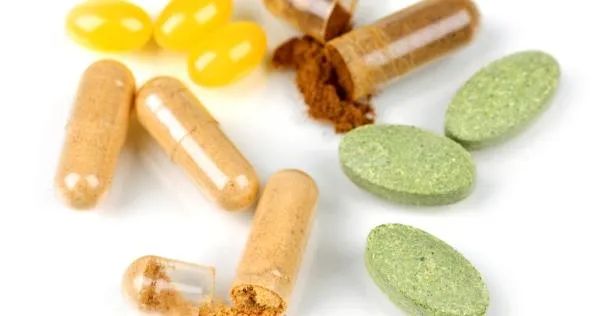
Many people take vitamin supplements thinking that the pills will boost their health, but that's not what the science shows.
Writing in a New York Times Op-Ed article, Dr. Paul Offit, chief of the division of infectious diseases at Children's Hospital of Philadelphia, highlights the possible dangers of vitamins. Offit cites a number of studies published over the last two decades linking vitamins supplements to health problems, including an increased risk of death from cancer and heart disease.
While it's true we need vitamins to survive, unnaturally high doses of vitamins may paradoxically interfere with the immune system, Offit said.
The Food and Drug Administration does not regulate vitamins — even vitamins that contain "mega" doses — because of a 1974 bill that prevents such regulation, Offit said.
"As a result, consumers don't know that taking megavitamins could increase their risk of cancer and heart disease and shorten their lives; they don’t know that they have been suffering too much of a good thing for too long."
Nutritionists say the best way to get vitamins is through a healthy diet with plenty of fruits and vegetables. People should take vitamins supplements only if they can't get a sufficient dose through food or have an extra need, and should consult with a doctor or registered dietician about the right dose to take.
Follow Rachael Rettner @RachaelRettner. Follow LiveScience @livescience, Facebook & Google+.
Get the world’s most fascinating discoveries delivered straight to your inbox.

Rachael is a Live Science contributor, and was a former channel editor and senior writer for Live Science between 2010 and 2022. She has a master's degree in journalism from New York University's Science, Health and Environmental Reporting Program. She also holds a B.S. in molecular biology and an M.S. in biology from the University of California, San Diego. Her work has appeared in Scienceline, The Washington Post and Scientific American.