NASA Moon Probe Sheds Light on Space Radiation Risks

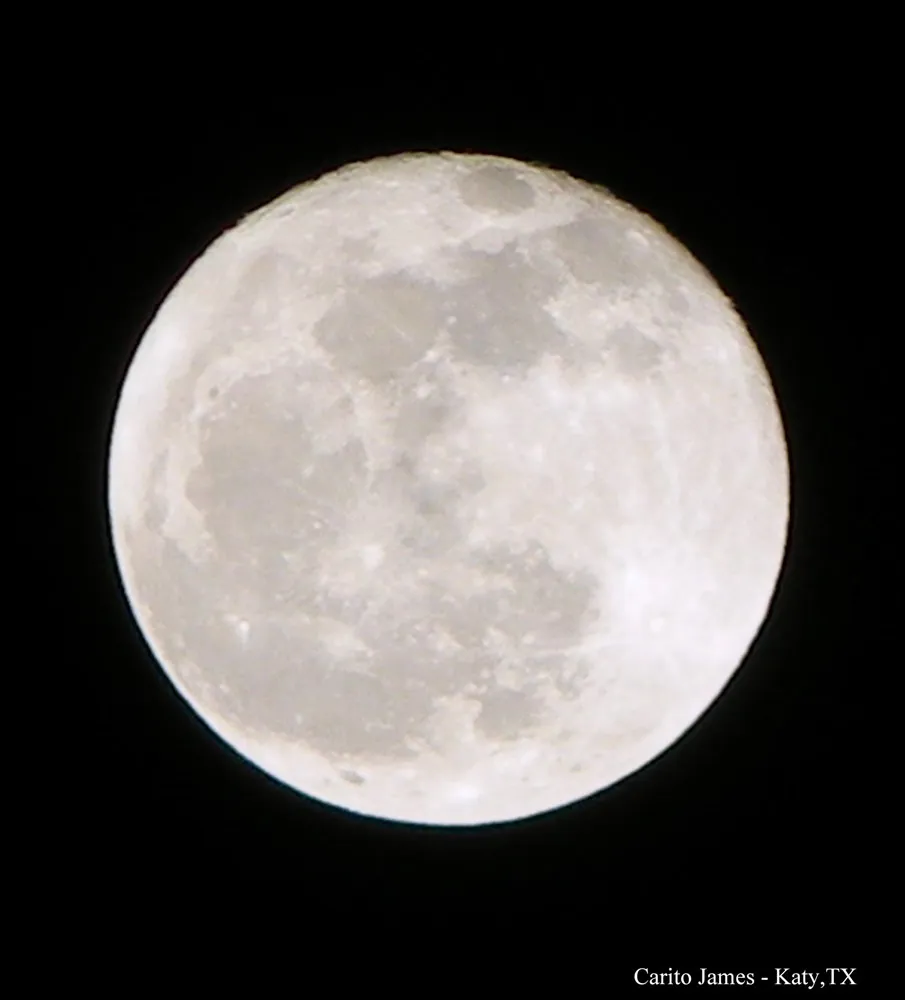
Plastic that mimics living tissue is helping researchers learn how deep-space radiation may affect astronauts and electronics on future missions, researchers say.
These findings could lead to the development of leaner, more efficient spacecraft that are better at balancing radiation protection against weight, scientists added.
Potentially dangerous radiation pervades outer space, such as electrically charged particles from the sun and high-mass, high-energy cosmic rays known as HZE particles that emerge from deep space. Earth's atmosphere and magnetic field block about 99.9 percent of this radiation, protecting those of us on the planet's surface. [Stunning Photos of Solar Flares & Sun Storms]
"The atmosphere serves as just a big thick shield — the weight exerted by the atmosphere is equivalent to a column of mercury about 30 inches (76 centimeters) high, so you can think of the atmosphere as a huge slab of dense metal a yard thick,"study lead author Mark Looper, a space radiation physicist at The Aerospace Corporation in El Segundo, Calif., told SPACE.com. "The magnetic field, in addition, shunts aside most of the radiation from Earth's surface."
To find out more about radiation hazards in space, Looper and his colleagues are relying on the Cosmic Ray Telescope for the Effects of Radiation instrument (CRaTER) aboard NASA's Lunar Reconnaissance Orbiter, which has been zipping around the moon at an altitude of about 30 miles (50 kilometers) since 2009.
CRaTER aims to measure not only radiation near the moon, but also the effects radiation has on sensitive materials such as human tissue or electronic parts that might absorb it behind shielding. The instrument uses sensors behind blocks of plastic designed to mimic the muscle tissue over a person's radiation-sensitive bone marrow.
"We've never had such tissue-equivalent plastics as part of a complex sensor in space before," Looper said.
Get the world’s most fascinating discoveries delivered straight to your inbox.
The researchers found that although HZE particles only make up 1 percent or so of the radiation the telescope saw, "they made up close to half of the energy deposited by radiation," Looper said. "You get much more energy deposited by these heavies."
By looking with precision at the range of energies deposited by various sources of radiation, scientists can estimate the effects they might have. "It's like the difference between being hit with a bat or a bullet — different kinds of radiation may deposit the same amount of energy, but they distribute it differently," Looper said.
Altogether, these findings could help researchers optimize just how much shielding spacecraft need without making them too heavy for missions.
"The name of the game is risk management," Looper said. "To decide how much shielding you need, you need to be able to measure the effects. The more precision with which you can measure those effects, the less likely you are to add more shielding than you need, which is expensive and makes spacecraft harder to launch."
CRaTER also revealed radiation emerging from the moon — showers of protons blasted off the moon's surface by cosmic rays from deep space.
"Detection of these protons is a first, and we can build up a map of the moon from them that may help tell us where hydrogen-bearing materials such as water are on the lunar surface," Looper said.
In the future, "we can learn more about what effects solar radiation might have," Looper said.
The scientists detailed their findings online April 3 in the journal Space Weather.
This story was provided by SPACE.com, a sister site to Live Science. Follow us @Spacedotcom, Facebook or Google+. Originally published on SPACE.com.