













Rare Parasite Nearly Blinds Teenager

High school senior Ashley Hyde couldn't figure out what was wrong with her left eye — and neither could her doctors.
"They did multiple cultures, which is where they scrape your eye," the Pembroke Pines, Fla., resident told ABC News affiliate Local10.com. "One time, they had to drill into my eye. It was really nasty."
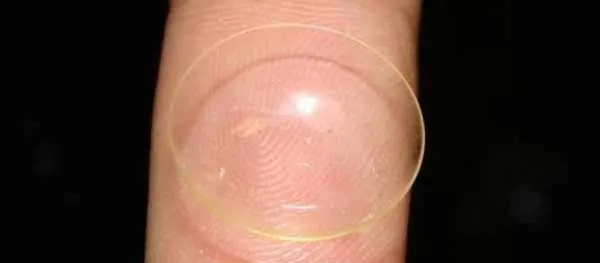
Finally, doctors discovered the cause of her pain, swelling and redness: the Acanthamoeba parasite, a microscopic organism that is found worldwide in water and soil. Doctors believe the parasite grew on Hyde's contact lens and then infected her eye.
"Every day, we see people come in with contact lens-related infections, complications, ulcers," Dr. Adam Clarin, an optometrist, told Local10.com. "These are things that are potentially blinding."
Indeed, Acanthamoeba keratitis, a rare but serious eye infection, can cause permanent vision impairment or blindness if left untreated, according to the Centers for Disease Control and Prevention. The parasite can also cause severe infections of the brain, spinal cord, skin, lungs or other organs.
Acanthamoeba can enter a person's body through cuts on the skin, contact-lens use or inhalation. Although most people are exposed to the pathogen at some point in their lifetime, very few people succumb to an infection.
Parasites have a long and ignoble history with humans and other mammals. The Toxoplasma gondii parasite, for example, takes control of infected rodents' minds, making the scent of cat urine sexually appealing to the rodents.
Get the world’s most fascinating discoveries delivered straight to your inbox.
That increases the odds a rodent will get close to a cat, which will then eat the rodent and the parasite (the pathogen prefers to live and breed inside a cat's intestinal tract).
T. gondii has been linked to an array of mental-health problems, as well as an increased risk of suicide for women who carry the parasite, recent research suggests.
Hyde must undergo several more months of treatment to rid herself of the infection, Local10 reports. She now advises all contact-lens wearers to carefully clean contacts and not wear them too long. "It hurts," she said, referring to her Acanthamoeba infection. "I wouldn't risk it."
Follow Marc Lallanilla on Twitter and Google+. Follow us @livescience, Facebook & Google+. Original article on LiveScience.com.
