













13 Pygmy Elephants Found Dead in Malaysia

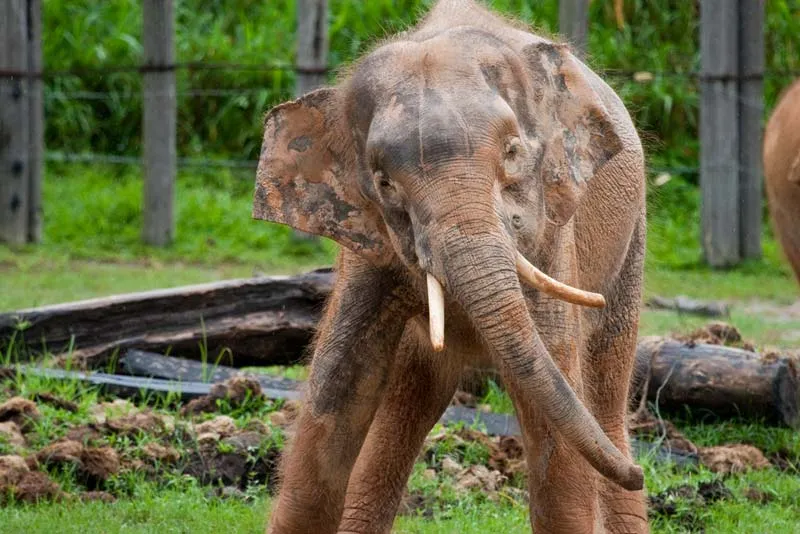
Malaysian authorities have a possible elephant murder mystery on their hands after three more pygmy elephants reportedly were found dead on the island of Borneo Wednesday (Jan. 30).
The grim discovery brings the death toll to 13 this month, and according to the AP, authorities are investigating suspicions that the diminutive elephants were poisoned.
Also called Bornean elephants, these creatures are the most endangered subspecies of Asian elephant. While other male Asian elephants can grow up to 9.8 feet (3 meters), male Bornean elephants grow to less than 8.2 feet (2.5 meters) and they have bigger ears and rounder bellies, according to the conservation organization World Wildlife Fund (WWF).
Researchers initially believed the babyish-looking mammals were the descendents of captive elephants brought to the island a few centuries ago. Other evidence, however, suggests that the pygmy elephants are a genetically distinct subspecies that arrived thousands of years ago during the Pleistocene Epoch by way of a land bridge. There are thought to be just 1,200 of them in Borneo today, mostly concentrated in Sabah, the Malaysian state at the northeastern corner of the island. [Gallery: The Pygmy Elephants of Borneo]
Though it's still unclear who or what might be responsible for the recent spate of elephant deaths, WWF officials noted that the population has been increasingly threatened by habitat fragmentation, and all the corpses reportedly have been found in areas where forests are being transformed into plantations within the Gunung Rara reserve in Sabah.
"Conversions result in fragmentation of the forests, which in turn results in loss of natural habitat for elephant herds, thus forcing them to find alternative food and space, putting humans and wildlife in direct conflict," environmentalist Dato' Dr Dionysius S K Sharma, executive director of the WWF's Malaysia division, said in a statement. "All conversion approvals need to be reviewed by the Sabah Forestry Department and assessed not purely from commercial, but the endangered species and landscape ecology perspectives."
Follow Live Science on Twitter @livescience. We're also on Facebook & Google+.
Get the world’s most fascinating discoveries delivered straight to your inbox.
