Snow eater wind. Chinook wind. Whichever you choose to call it, there have been plenty of wildfire worries over the past several days due to erratic, gusty and bone dry breezes blowing over the foothills west of Denver, Colo.
On Tuesday, relative humidity values reached as low as one percent -- a very rare atmospheric feat -- across parts of the Boulder, Colo. area.
Broomfield, a city located between Denver and Boulder, saw the relative humidity dip to one percent for several hours during the afternoon. Relative humidity values also hit one percent well south of Denver in Colorado Springs, Colo., and as far north as Cheyenne, Wyo.
Relative humidity measures the amount of water vapor present in the atmosphere, and once it gets to one percent, there is practically no water vapor left whatsoever.
(Image credit: AccuWeather.com)
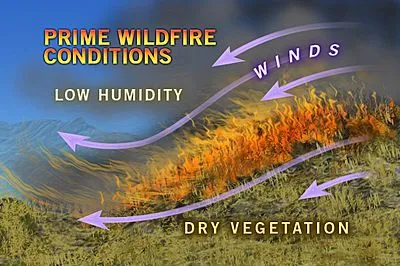
Combine this with ongoing severe to exceptional drought across Colorado and gusty west winds charging over the Rockies, and you end up with an explosive wildfire recipe.
According to the Associated Press, strong winds and tinder-dry air already fanned the flames of at least one potent brush fire across Boulder Canyon Monday night.
Sign up for the Live Science daily newsletter now
Get the world’s most fascinating discoveries delivered straight to your inbox.
Firefighters were able to keep the blaze from affecting any buildings, but its quick-moving nature and rapid flareup are an ominous warning to the danger that is present.
More gusty winds and extremely dry air will keep nerves on edge again for Wednesday, as a mere spark could trigger a potentially massive and life-threatening fire situation.
(Image credit: AccuWeather.com)
Conditions will improve for Thursday into Friday and the upcoming weekend as temperatures lower and arid winds diminish.
Stay with AccuWeather.com for the latest on this extremely dangerous fire situation.
The only sure thing about weather forecasts is that they’re wildly different all over the planet. Test your knowledge on the wild ranges in temperature, precipitation and more.