













Your Science Teacher May Be Spreading Invasive Species

Potential invasive species may get a helping hand from an unlikely source: science teachers, a new study indicates.
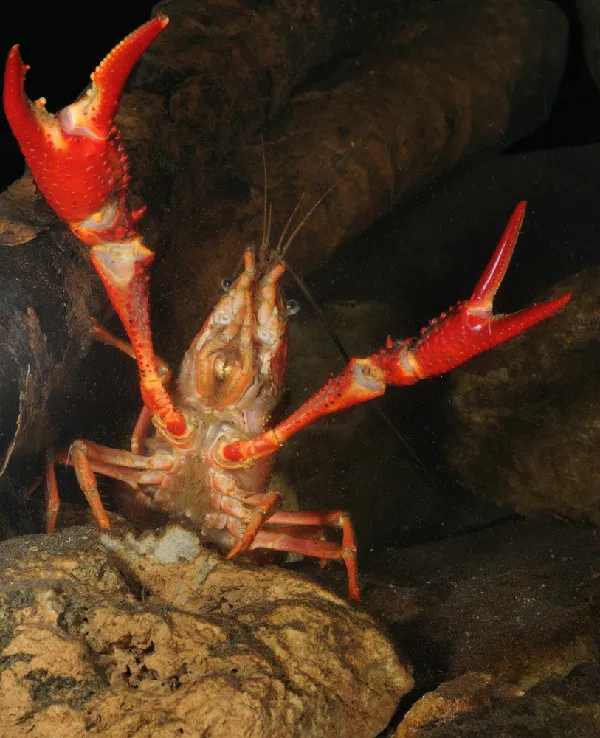
The researchers found science teachers used as many as 1,000 different organisms in their lessons, including many known or potentially invasive species such as crayfish, the waterweed elodea, mosquito fish, amphibians and red-eared slider turtles.
The study involved a survey of nearly 2,000 teachers in Florida, New York, Indiana, Illinois, Oregon, Washington, California, Connecticut, British Columbia and Ontario, as well as interviews with curriculum specialists, focus groups involving 84 teachers and information from biological supply houses.
The researchers found that while 25 percent of science teachers indicated they released their organisms into the wild after their lessons, fewer than 11 percent participated in planned release programs in which the organism is let go at a designated site.
This means the practice of using live organisms in lessons has the potential to contribute to invasive species problems, according to results presented today (Aug. 7) in Portland, Ore., at the national meeting of the Ecological Society of America.
Scientists define invasive species as organisms humans have transported into new habitats where they flourish, presenting problems for humans and native species.
"Many of the teachers were mortified when we pointed out they may be exacerbating the invasive species problem," said lead researcher Sam Chan, an Oregon State University invasive species expert, in a statement. "We don't want to discourage the use of live organisms in teaching because they can provide focus, enhance student interest, and foster responsibility and care.
Get the world’s most fascinating discoveries delivered straight to your inbox.
"But there are consequences to using them, and both teachers and suppliers should consider what will become of these organisms when the classroom lessons are over," Chan said.
For example, Oregon teachers have taken to ordering crayfish from Louisiana because they are hardier than the local variety.
"The problem is that we have no idea whether those crayfish may carry diseases or parasites that may be problematic if those animals are released into the wild here," Chan said.
The work highlights a dilemma faced by teachers after lessons using living organisms are completed.
While teachers are evenly split over the use of euthanasia, the researchers avoid making a recommendation. The goal is to make teachers and biological supply houses aware that releasing organisms into the wild may cause problems, he said. Chan recommends using native species whenever possible.
Follow LiveScience on Twitter@livescience. We're also on Facebook & Google+.
