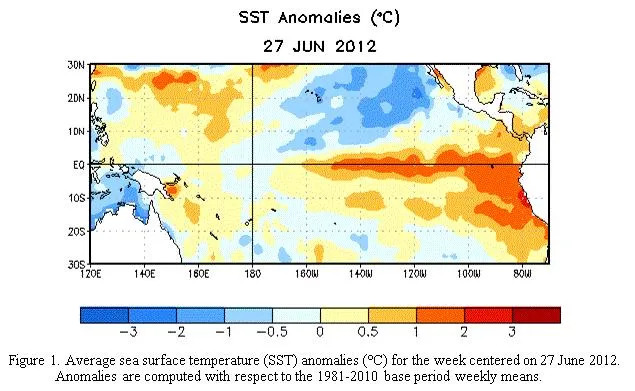

El Niño and La Niña are parts of an oscillation in the ocean-atmosphere system (called the El Niño Southern Oscillation, or ENSO cycle) that can impact weather and climate conditions across the globe. El Niño features warmer-than-average temperatures in the waters of the equatorial Pacific Ocean, while La Niña features colder-than-average waters. Read our stories below on the latest ENSO conditions and research into how the cycle affects global weather patterns.

-
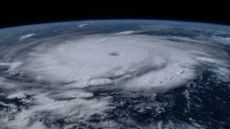 'It's hard to communicate how unbelievable this is': Hurricane Beryl is the earliest Category 5 storm on record
Unprecedented sea surface temperatures have driven the powerful storm to form early in the year, sowing catastrophe across the Caribbean.
weather -
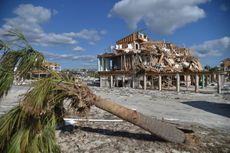 The Atlantic May See Up to 4 Major Hurricanes This Season, New Forecast Says
Here's what to expect for the 2019 Atlantic hurricane season and how to get prepared.
weather -
 Hearts Ripped from 140 Children and 200 Llamas in Largest Child Sacrifice in Ancient Worldarchaeology
 -
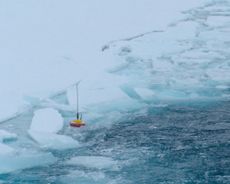 Evidence Mounts Against So-Called Climate Change Hiatus
Evidence is mounting against the so-called climate change hiatus — a period lasting from 1998 to 2012 — when global temperatures allegedly stopped rising as sharply as they had before.
climate-change -
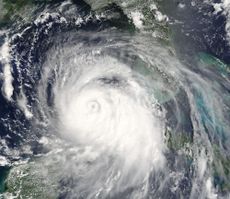 El Nino's Absence May Fuel a Stormy Hurricane Season
This year's hurricane season is likely to be more active than usual, thanks to an absent El Niño and warmer tropical Atlantic Ocean waters.
weather -
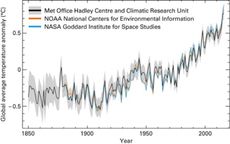 Human-Caused Climate Change Made 2016 Way Too Hotclimate-change
 -
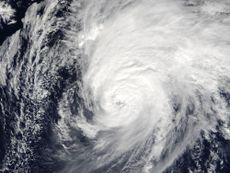 Twin Hurricanes Matthew and Nicole Could Herald More Storms to Come
Back-to-back hurricanes Matthew and Nicole may signal worse weather to come if La Niña climate conditions take hold across the globe, according to weather scientists.
weather -
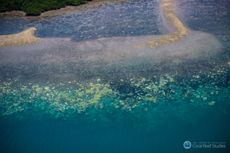 Great Barrier Reef Coral Bleaching is 'Worst in its History'
Australia's Great Barrier Reef corals are in trouble, with the northern part of the reef experiencing "the worst mass bleaching event in its history."
climate-change -
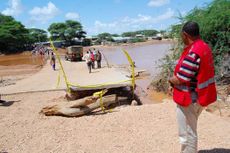 How a Monster El Niño Transforms the World's Weatherweather


