Live Science Plus


Aggressive Men Turn Down Free Money

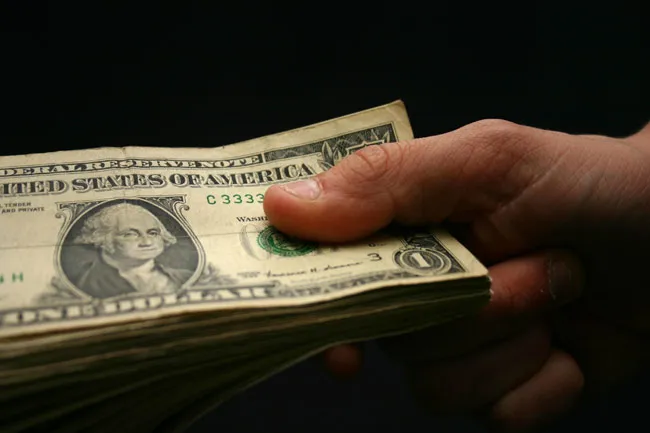
Money isn't everything for men with lots of testosterone. In a new study, 26 male Harvard students were presented with ultimatums. Each was offered $5 out of a possible $40 by another person. A student could either take the $5 and leave the rest to the offerer, or both parties got nothing. The experiment was played for real stakes—the students got to keep the money. Before the experiment began, Harvard economist Terence Burnham took saliva samples from the students and later tested it for testosterone levels. He found that while 20 men took the $5 offer, six higher-testosterone men rejected it. "It's strange but it's true—people at times walk away from free money," Burnham said. "If you knew the testosterone levels of these people, you didn't need to know much more to predict behavior. Not what culture they were from, not their political beliefs." Economists have long found that people reject offers of free money if they feel they are getting the short end of the stick. "In a standard rational analysis, no one would ever reject free money. If you can get $5 or nothing, how smart do you have to be to figure that out?" Burnham said. "Most economists were so sure what would happen, no one actually ran an experiment with real people until 1982. That was the big surprise finding—people do reject free money." At first researchers thought these early findings were mistaken. "But it's true, verified hundreds of times now," Burnham said. "If you go around the world, it's true for everyone. They've found it in 15 cultures, even cultures that don't use money often, like hunter-gatherers." People will even reject relatively large sums of money, such as two weeks' wages, if these offers are roughly one-fifth or less of the stakes involved, Burnham said. Examples of such behavior are found everywhere in life if one knows where to look, even in popular culture. "In 'The Godfather, Part 2,' there's a senator who says to Michael Corleone something like, 'You're going to pay all this money for licenses for casinos in Las Vegas, because you have no choice,' and Corleone says something like, 'I'm not paying you 1 cent,'" Burnham said. "Or imagine that at a wage negotiation you offered a labor union just one penny more than zero, their answer will be, 'Screw you.'" The findings shed light on "the machinery in our brains that drive such behavior," Burnham said. For instance, testosterone is linked with aggression, and low offers might signify a challenge, "be considered insulting," Burnham explained. "In a real negotiation, people have to understand that there's often more than money at stake. There are other parts of the psyche to deal with," Burnham said. "No savvy coach who wants players to work hard will tell them they can make more money—they challenge them on some other level. Money isn't everything—if you thought that way, you'd likely be a bitter, unhappy and unsuccessful person." The conclusions might help revise economic models "that are the language of public policy," Burnham suggested. As such, they could apply to areas "such as Social Security and environmental policy," he said.
- 10 Things You Didn't Know About You
- Men Act Like Dogs to Determine Dominance
- Finger Length Predicts Aggression in Men
Get the world’s most fascinating discoveries delivered straight to your inbox.