 Live Science Plus






Iceland's Hekla Volcano Close to Erupting, Scientist Claims
You are now subscribed
Your newsletter sign-up was successful
Want to add more newsletters?

Delivered Daily
Daily Newsletter
Sign up for the latest discoveries, groundbreaking research and fascinating breakthroughs that impact you and the wider world direct to your inbox.

Once a week
Life's Little Mysteries
Feed your curiosity with an exclusive mystery every week, solved with science and delivered direct to your inbox before it's seen anywhere else.

Once a week
How It Works
Sign up to our free science & technology newsletter for your weekly fix of fascinating articles, quick quizzes, amazing images, and more
Delivered daily
Space.com Newsletter
Breaking space news, the latest updates on rocket launches, skywatching events and more!
Once a month
Watch This Space
Sign up to our monthly entertainment newsletter to keep up with all our coverage of the latest sci-fi and space movies, tv shows, games and books.
Once a week
Night Sky This Week
Discover this week's must-see night sky events, moon phases, and stunning astrophotos. Sign up for our skywatching newsletter and explore the universe with us!
Join the club
Get full access to premium articles, exclusive features and a growing list of member rewards.
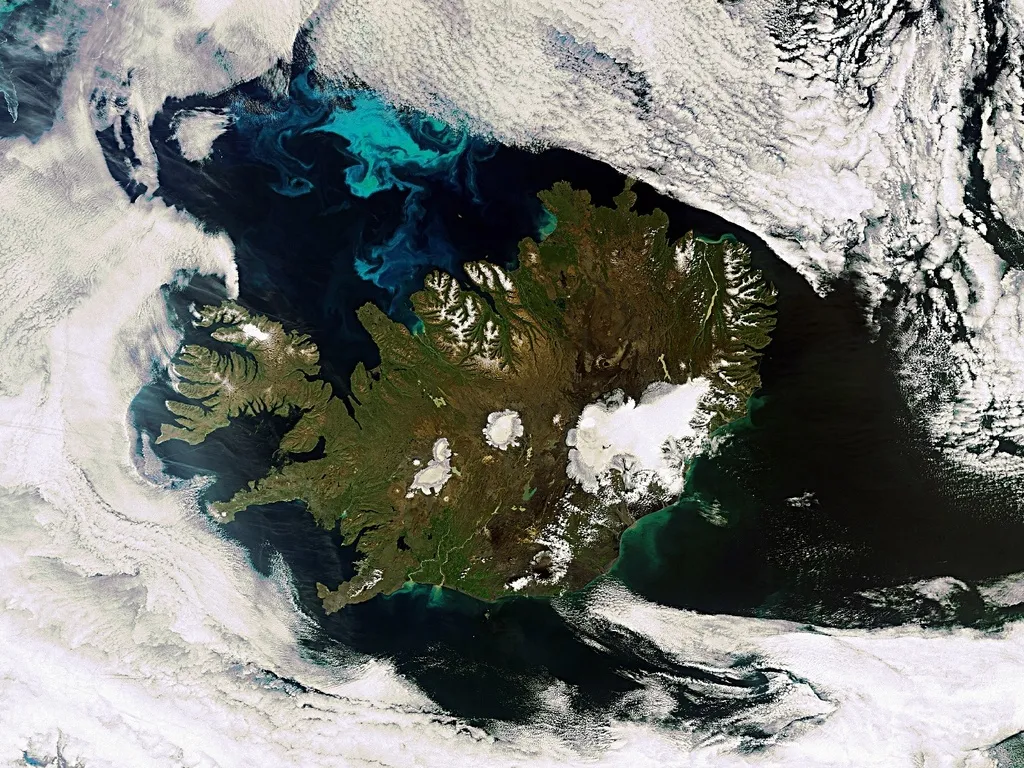
Hekla volcano, one of Iceland's most active volcanoes, could be close to erupting, a University of Iceland geoscientist claims.
The most prominent sign of an impending eruption is bulging ground on the northern side of the volcano. This surface swelling indicates magma (molten rock) is rising under the volcano, pushing up the ground as it fills fractures and pipes beneath Hekla. According to GPS monitoring of the expanding surface, there is now more magma underneath Hekla than before the volcano's last eruption in 2000, University of Iceland geophysicist Páll Einarsson said in a report published in the Icelandic newspaper Morgunblaðið on Monday (March 17). Hekla volcano "could erupt soon," Einarsson said.
Geoscientists in Iceland keep a close eye on Hekla, because the volcano blows its top with very little notice. During Hekla's last eruption, in 2000, it took just 79 minutes from the first warning earthquake until the volcano exploded, Einarsson said. But Monday's alert is just the latest in a string of warnings based on Hekla's bulging ground. Volcano watchers have anticipated a new eruption at Hekla since 2006, when tiny earthquakes and surface swelling first hinted that new magma had appeared. Media reports warned of similar surface swelling at Hekla in 2011 and 2013, without a subsequent eruption.
Hekla volcano has blasted more than 20 times in the last 1,200 years, blanketing southern Iceland with thick layers of ash and lava. Some of the eruptions are short and small, while others continue for months, pumping enough ash into the atmosphere to chill temporarily the northern latitudes.
The last eruption at Hekla started on Feb. 26, 2000, and lasted for nearly two weeks.
Email Becky Oskin or follow her @beckyoskin. Follow us @OAPlanet, Facebook and Google+. Original article at Live Science's Our Amazing Planet.

