
 Live Science Plus


Kids' Electronic Media Use Linked with Poorer Well-Being

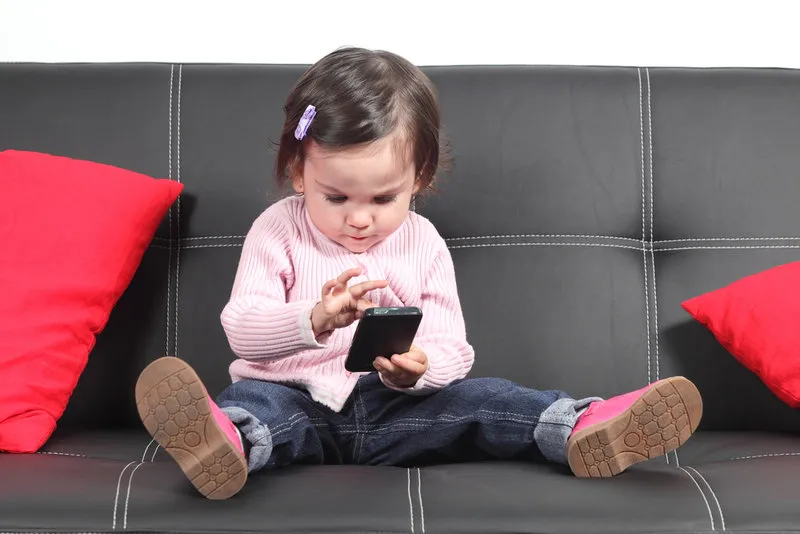
The amount of time kids spend watching TV or playing electronic games may affect their well-being in early childhood, including mental health factors like their risk for emotional problems, a new study from Europe suggests.
For girls in the study, each additional hour spent playing electronic games or using a computer on weekdays at age 4 was linked with a two-fold increase in the risk of emotional problems at age 6.
And for both boys and girls, each additional hour of weekday TV watching was linked with an increase in the risk of poor family functioning (such as the child not getting along well with parents). [Too Much of a Good Thing? 7 Addictive Educational iPad Games]

However, the study did not look at whether parents watched TV with their children, and did not consider the content of the TV and electronic games the children played, all of which could affect the results.
Experts say that parental monitoring of children's media use may help mitigate some of the adverse outcomes seen in this and other studies, said Dr. Daniel Coury, a behavioral specialist at Nationwide Children's Hospital, who was not involved in the study.
"Parents should be involved with monitoring the media that their children are watching," Coury said. For example, if children are allowed to watch TV, parents should try to watch with them so that they can put the shows in context and make sure the content is appropriate for the child's age, Coury said.
In addition, the American Academy of Pediatrics recommends that children limit screen time (the hours spent in front of a TV, computer or other screen for recreational purposes) to no more than two hours per day. (And TV is not recommended for children under age 2.)
Get the world’s most fascinating discoveries delivered straight to your inbox.
Making sure that children adhere to these limits, when feasible, may have concrete benefit for kids, Coury said. A second study published in the same journal suggests that parents' monitoring of their child's media use may help reduce the risk of obesity so often tied to activities like TV watching.
Kids and screen time
Previous research on the link between electronic media use and children's well-being has been mixed, and most studies have considered only TV viewing (ignoring use of other forms of media.)
The new study analyzed information from more than 3,600 European children ages 2 to 6 years old, who the study followed for at least two years. Parents answered questions about their child's well-being, including queries about the child's self-esteem, social networks, emotional problems (being worried/unhappy) and peer problems (being picked on/bullied or being "rather solitary").
The link held between electronic media use and some aspects of well-being (such as emotional problems for girls) even after the researchers took into account the family's socioeconomic status and the child's well-being at the study start.
However, some researches criticized the study's design. Alexis Lauricella, a researcher at the Center on Media and Human Development at Northwestern University in Illinois, noted that the questionnaires used in the study were designed for older children, so it's not clear whether using them with younger children is appropriate.
"Considering the very young age of these kids, I worry about the accuracy of parent-report regarding things like 'peer problems,'" for which parents indicated whether their child was "rather solitary," etc., Lauricella said.
Setting limits
The second study, conducted in the United States, found that less monitoring of a child's media use (specifically, less monitoring by the mother) was linked with a higher body mass index (BMI) in the child at age 7.
The findings held true even after the researchers took into account other factors that could affect obesity risk, such as the parent's BMI and level of education.
"Our results suggest that interventions aimed at parental supervision and control of child media exposure may promote healthy child weight development during middle childhood," said the researchers, from the Oregon Social Learning Center.
Both studies are published in the March 17 issue of the journal JAMA Pediatrics.
Follow Rachael Rettner @RachaelRettner. Follow Live Science @livescience, Facebook & Google+. Original article on Live Science.

Rachael is a Live Science contributor, and was a former channel editor and senior writer for Live Science between 2010 and 2022. She has a master's degree in journalism from New York University's Science, Health and Environmental Reporting Program. She also holds a B.S. in molecular biology and an M.S. in biology from the University of California, San Diego. Her work has appeared in Scienceline, The Washington Post and Scientific American.