
 Live Science Plus


Tiny 3D-Printed Liver Slices Pave Way for Growing Organs

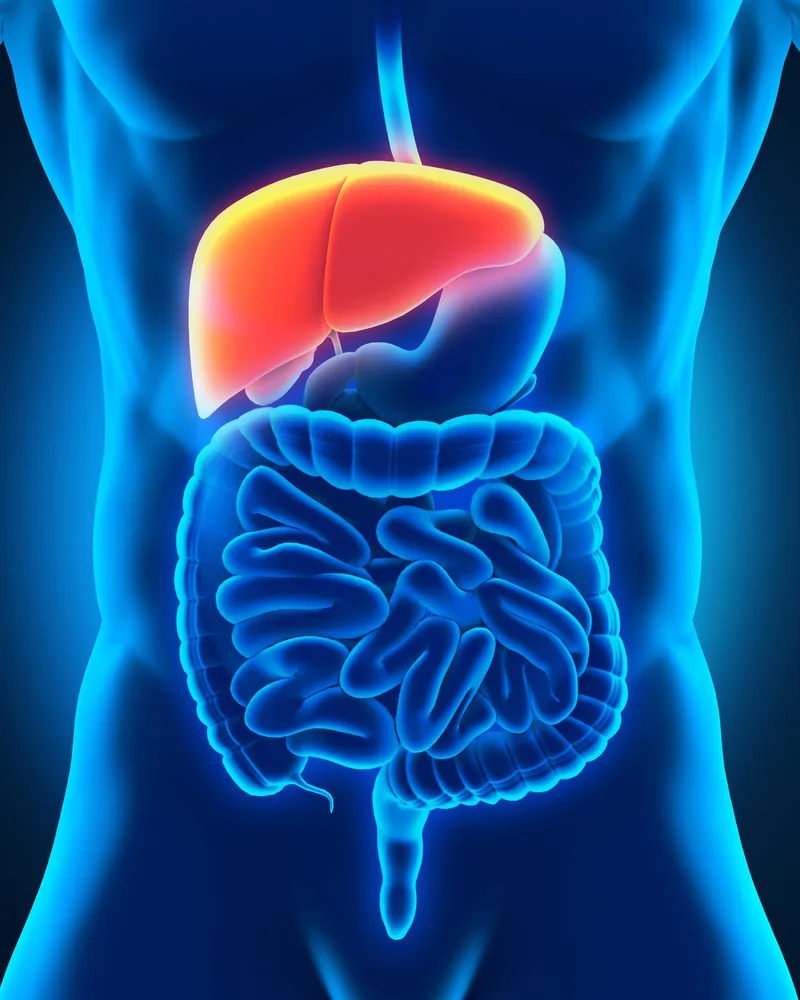
A slice of 3D-printed liver offers the promise of speeding up the discovery of new drugs and paving the way toward eventually growing a full-size, transplantable liver.
The liver's ability to naturally regenerate makes it an ideal match for bioprinting — the field of using 3D-printing technology to print living cells layer by layer with computer-guided precision. Organovo, a San Diego-based startup, sees the liver as a solid stepping-stone for perfecting the science of building human organs in the lab.
"The liver has the ability to regrow itself," said Keith Murphy, CEO of Organovo. "This is one of the most promising areas to think of replacement organs, because you know the cells can do the job once they're in place."
The startup marked a major milestone in October by announcing it had created 3D slices of liver that maintained their tissue functions — filtering nutrients, toxins and drugs — for up to 40 days. That represents a huge leap from the company's previous benchmark in April, when it showed that its liver slices could maintain liver function for just over five days. [7 Cool Uses of 3D Printing in Medicine]
Organovo's liver tissue also showed a normal liver response to acetaminophen, the drug sold under the brand name Tylenol, and others. The results suggest that the 3D-printed liver slices function about as normally as a typical human liver.
Such success does not mean doctors will be transplanting a 3D-printed organ into a human patient anytime soon. Organs as complex as the liver, kidney and heart require networks of tiny blood vessels to stay healthy and often consist of other tiny structures. Building both blood vessels and other structures at the smallest scales poses a huge challenge for 3D printers.
But the liver still represents one of the easier human organ tissues to tackle, because it's relatively less complex than something like a kidney, Murphy said. And even small, millimeter-thick chunks of liver could help many human patients without ever becoming a full-size organ for transplant into a body.
Get the world’s most fascinating discoveries delivered straight to your inbox.
"As you're building toward something that could be implanted, there are many uses for tissue along the way," Murphy told LiveScience.
One of Organovo's first business steps involves using its liver slices to provide realistic human tissue responses to drug candidates — a path toward speeding up pharmaceutical research on new drugs and reducing reliance on animal testing, which is usually less accurate. The company plans to launch its 3D Human Liver product in 2014.
Accurate testing could not only lead to faster drug development, but also reduce the time and money wasted on dead-end drugs that do well in animal testing but fail in humans. That translates into more bang for the buck at a time when the U.S. government and pharmaceutical companies still invest millions of dollars into drug research.
The U.S. Department of Defense has backed a $24 million project with a similar drug-testing goal based on the bigger ambition of creating a 2-inch "body on a chip" — miniature organs connected by an artificial blood network. But Organovo's liver product will likely reach the market first and show how 3D-printed organs, no matter how small, can already begin to benefit human patients.
"You've got the ability to start thinking about how a drug is going to work in human tissue before you start testing in humans," Murphy said.
You can follow Jeremy Hsu on Twitter @jeremyhsu. Follow us@livescience, Facebook & Google+. Original article on LiveScience.
