China Losing Is Taste For Shark Fin Soup
Get the world’s most fascinating discoveries delivered straight to your inbox.
You are now subscribed
Your newsletter sign-up was successful
Want to add more newsletters?
Delivered Daily
Daily Newsletter
Sign up for the latest discoveries, groundbreaking research and fascinating breakthroughs that impact you and the wider world direct to your inbox.
Once a week
Life's Little Mysteries
Feed your curiosity with an exclusive mystery every week, solved with science and delivered direct to your inbox before it's seen anywhere else.
Once a week
How It Works
Sign up to our free science & technology newsletter for your weekly fix of fascinating articles, quick quizzes, amazing images, and more
Delivered daily
Space.com Newsletter
Breaking space news, the latest updates on rocket launches, skywatching events and more!
Once a month
Watch This Space
Sign up to our monthly entertainment newsletter to keep up with all our coverage of the latest sci-fi and space movies, tv shows, games and books.
Once a week
Night Sky This Week
Discover this week's must-see night sky events, moon phases, and stunning astrophotos. Sign up for our skywatching newsletter and explore the universe with us!
Join the club
Get full access to premium articles, exclusive features and a growing list of member rewards.
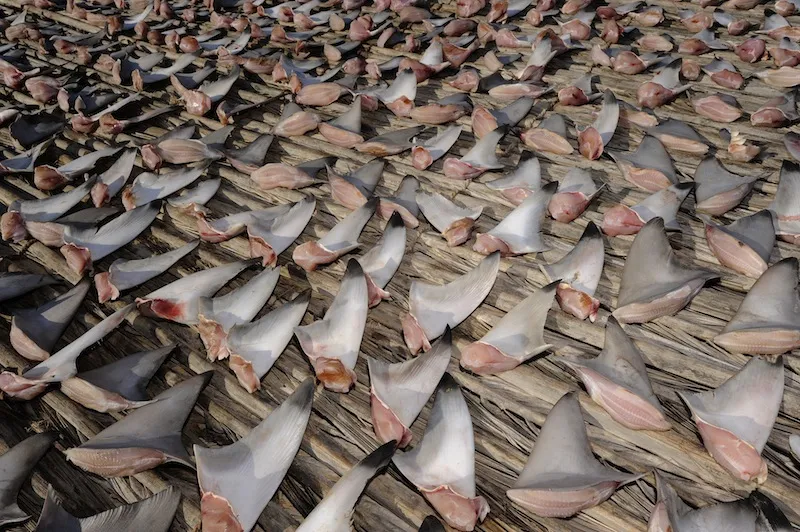
If sharks made movies about humans, they'd likely be much more frightening than Jaws, considering about 100 million sharks are killed per year to be made into shark fin soup, a Chinese delicacy. But in some rare good news for the animals, the taste for the dish appears to be fading in China: Consumption of the soup is down 50 to 70 percent in the last two years, according to the American environmental group WildAid.
Just a few years ago, most Chinese didn't know that the dish came from sharks, as its name translates to "fish wing" soup, according to the Washington Post. But a series of public relations campaigns appear to have helped spread the word. In 2006, for example, WildAid enlisted the help of professional basketball player Yao Ming to educate people on the brutal process used to obtain soup ingredients, in which sharks' fins are hacked off, and the animals are tossed back into the ocean to slowly die. A government campaign against lavish banquets, where the soup was often served, has also made a difference, the Post reported.
"It is a myth that people in Asia don't care about wildlife," Peter Knights, with WildAid, told the Post. "Consumption is based on ignorance rather than malice."
Email Douglas Main or follow him @Douglas_Main. Follow us @livescience, Facebook or Google+.
Get the world’s most fascinating discoveries delivered straight to your inbox.