













Surprising find

Paleontologist Robert DePalma and his colleagues recently unearthed vertebrae from a hadrosaur with a T. rex tooth buried in it.
Deadly predator
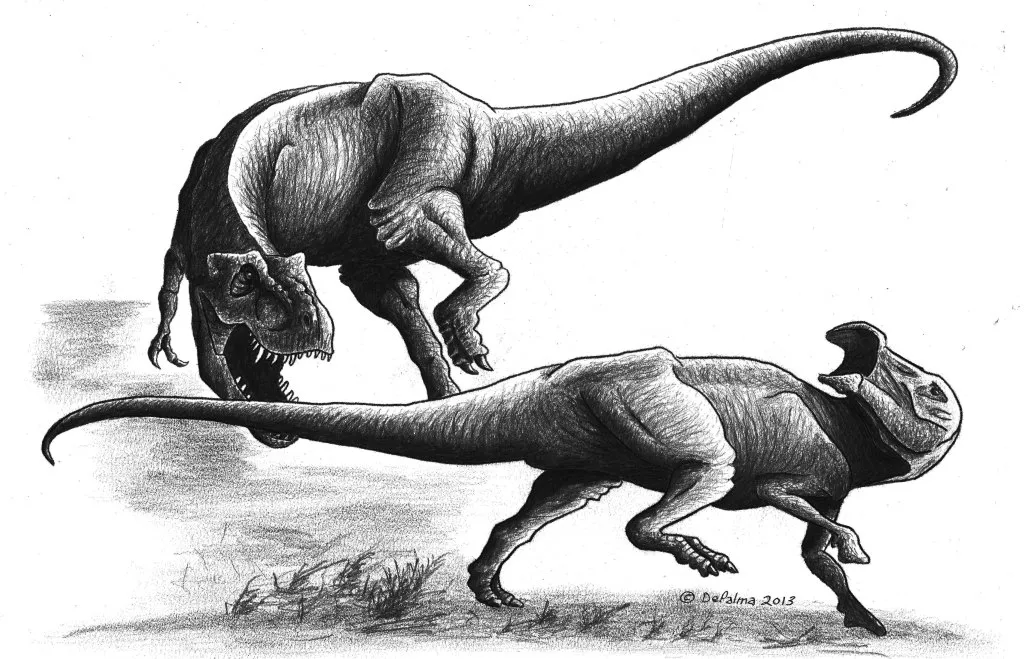
The findings reveal what every dinosaur lover always suspected: that T. rex was a fearsome predator, not just a scavenger.
Possible scavenger?
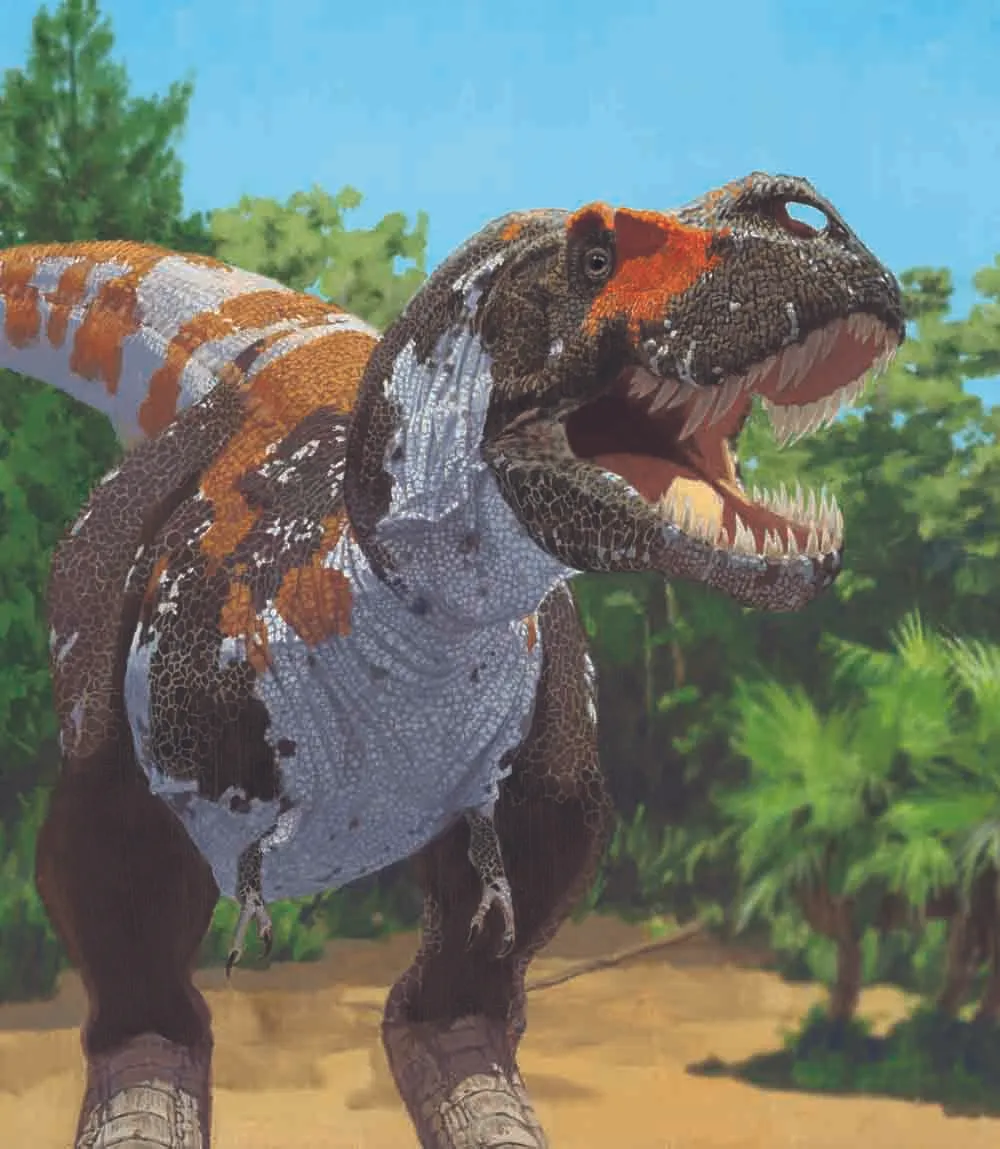
Past studies had suggested that T. rex had a strong bite, and stomach contents showed the giant was a carnivore. But because T. rex may have had a good sense of smell, some paleontologists argued the king of the dinosaurs wasn't a predator, but a scavenger. That keen nose could theoretically have been used to sniff out rotting carcasses.
Herbivorous creature

DePalma and his colleagues were excavating in the Hell's Creek formation in South Dakota when they uncovered part of the spine of a hadrosaur, likely the pine-needle-eating herbivore Edmontosaurus. Lodged inside the vertebrae was a T. rex tooth.
Narrow escape

The bone healed around the tooth, suggesting that the hadrosaur lived for a while after the attack.
Deadly predator

The new discovery completes the picture of T. rex as a deadly predator.
Get the world’s most fascinating discoveries delivered straight to your inbox.

Tia is the editor-in-chief (premium) and was formerly managing editor and senior writer for Live Science. Her work has appeared in Scientific American, Wired.com, Science News and other outlets. She holds a master's degree in bioengineering from the University of Washington, a graduate certificate in science writing from UC Santa Cruz and a bachelor's degree in mechanical engineering from the University of Texas at Austin. Tia was part of a team at the Milwaukee Journal Sentinel that published the Empty Cradles series on preterm births, which won multiple awards, including the 2012 Casey Medal for Meritorious Journalism.