It's quick and easy to access Live Science Plus, simply enter your email below. We'll send you a confirmation and sign you up for our daily newsletter, keeping you up to date with the latest science news.
Things just got much worse for two critically endangered tortoise species in Madagascar. Illegal poaching is "raging out of control" and pushing radiated and ploughshare tortoises to the brink of extinction, according to a statement from the Wildlife Conservation Society (WCS).
More than 1,000 of the animals have been confiscated from smugglers in the first three months of 2013 alone, the environmental group reported. A total of 54 ploughshare tortoises were intercepted in Thailand, and the species is "now the most common tortoise for sale in Bangkok's infamous Chatuchak wildlife market," according to the statement.
The ploughshare tortoise was once common in northern Madagascar but as of 2008 it was estimated that there were only 400 individuals left in the wild, according to the International Union for Conservation of Nature. These reptiles can grow up to 19 inches (47 centimeters) long and weigh up to 42 pounds (19 kilograms).
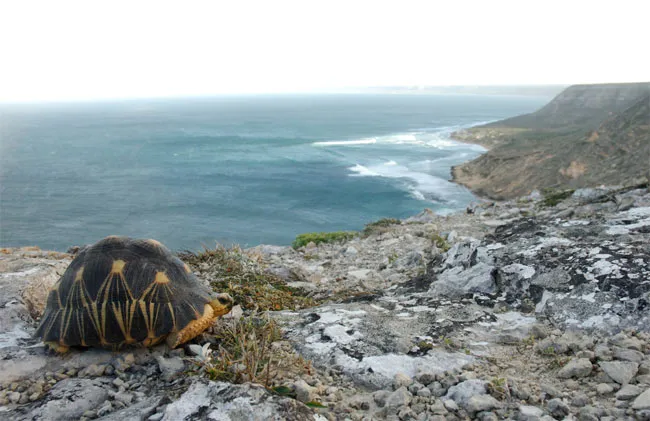
The radiated tortoise lives in the country's south. Its dark brown or black domed shell is covered with bright yellow or orange starlike patterns and can grow up to 16 inches (40 cm) long. They can live for an estimated 100 years, according to the IUCN.
"These tortoises are truly one of Madagascar's most iconic species," James Deutsch, executive director of the Africa Program at WCS, said in the statement. "This level of exploitation is unsustainable. Unless immediate action is taken to better protect the wild populations, their extinction is imminent."
Due to their unique beauty, many of the animals are taken for the illegal pet trade. Illegal poaching and smuggling has increased about tenfold since Madagascar's political crisis began in 2009, accompanied by eroded law and order, the WCS said. In the past, it was considered taboo to harm the tortoises, although this tradition has faded with years of drought and increasing poverty, according to the statement.
The radiated tortoise has disappeared from wide areas of its native habitat in southern Madagascar due to hunting for food and the illegal pet trade.
Douglas Main loves the weird and wonderful world of science, digging into amazing Planet Earth discoveries and wacky animal findings (from marsupials mating themselves to death to zombie worms to tear-drinking butterflies) for Live Science. Follow Doug on Google+.