













Manatees in Puerto Rico Face Low Genetic Diversity

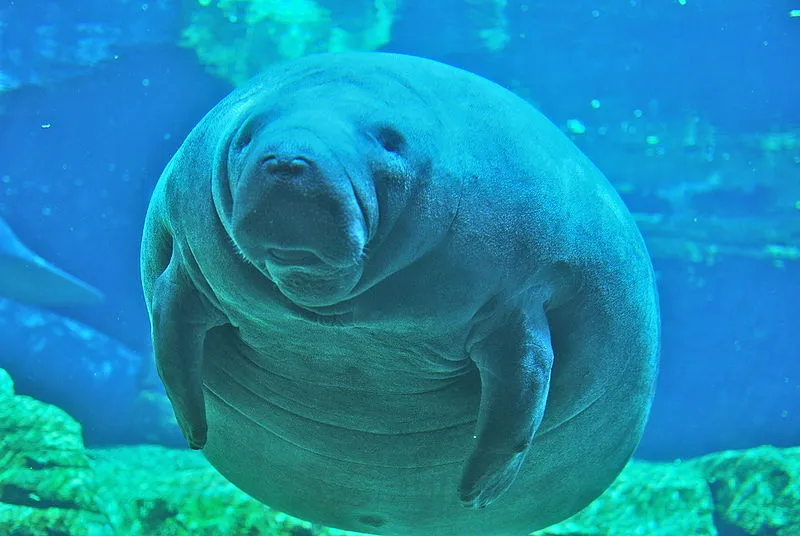
Puerto Rico's small and secluded manatee population is extra vulnerable to setbacks because its genetic diversity is low, researchers warn.
Conservationists had hoped that manatees from Florida were helping to offset the marine mammal's isolation problem in Puerto Rico through migration and mating, but a lack of diversity suggests this is not the case.
"Puerto Rico's Antillean manatees have low overall numbers and low genetic diversity, both of which present risks for the population's long-term survival," Margaret Hunter, a geneticist with the U.S. Geological Survey (USGS) and lead author of the study, said in a statement. [Fun Facts About Manatees]
"The lack of gene flow is another risk factor. We detected no signs that the Puerto Rico population is being supplemented by Florida manatees, through migration or breeding. This means that Puerto Rico's population must absorb shocks — such as environmental change or disease — on their own. It's a trifecta of genetic vulnerability."
Low genetic diversity cuts down a wildlife population's ability to adapt to changing conditions and bounce back from mass fatalities caused by hurricanes, disease or boat strikes. Estimates suggest as few as 250 individual manatees currently live in Puerto Rico.
Hunter's research team compared the Florida and Puerto Rico populations using nuclear DNA. The results lend further support to the idea that the two populations belong to different subspecies. The researchers also found that within Puerto Rico there are two genetically distinct manatee groups that do not frequently interbreed, but could improve the long-term prospects for manatees in the island.
The study was published online this month in the journal Conservation Genetics.
Get the world’s most fascinating discoveries delivered straight to your inbox.
Manatees are federally listed endangered species in the United States. The massive sea cows are especially vulnerable because they reproduce very slowly, with each generation separated by about 20 years.
Follow LiveScience on Twitter @livescience. We're also on Facebook & Google+.
