













National Zoo Panda Cub Died of Lung and Liver Damage

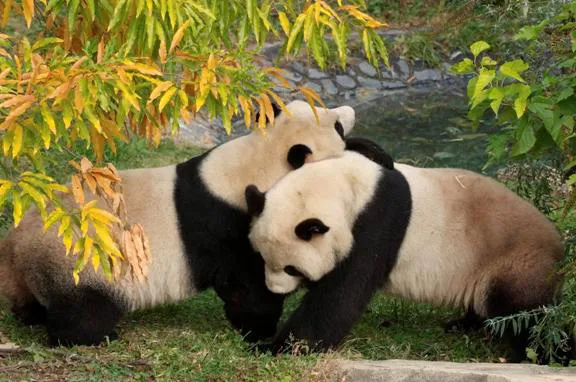
The week-old giant panda cub that died at the Smithsonian National Zoo last month suffered lung and liver damage, veterinarians announced Thursday (Oct. 11).
The female cub, born Sept. 16, likely had an oxygen deficiency from inadequately formed lungs, which would have affected the newborn's liver function, according to a statement from the zoo.
Joy turned to heartbreak at the Washington, D.C., zoo on the morning of Sept. 23 when 14-year-old panda mom Mei Xiang let out a distress call. Panda keepers found her cub unresponsive and immediately performed CPR, but they couldn't revive the newborn. The 4-ounce (100-gram) panda had no outward signs of trauma or infection, zoo officials said at the time, though they later found abnormalities in its liver.
The cub's birth followed several years of arduous and unsuccessful attempts to get Mei Xiang pregnant. She had been artificially inseminated on April 29 and 30 with sperm from the zoo's adult male, Tian Tian, but it's almost impossible to tell if a female panda is pregnant until a cub materializes. The panda parents have only one living cub, Tai Shan, who was born in 2005 and brought to China in 2010.
Mei Xiang has almost fully returned her regular routine since the cub's death, venturing into her outdoor enclosure and regaining her appetite, vets at the zoo said Thursday.
Researchers estimate that there are only 1,600 giant pandas are left in the wild and captive breeding is an important way for them to study and conserve the endangered species.
Follow LiveScience on Twitter @livescience. We're also on Facebook & Google+.
Get the world’s most fascinating discoveries delivered straight to your inbox.
