













1 Aging Brain Cell Affects the Entire Brain, Study Suggests

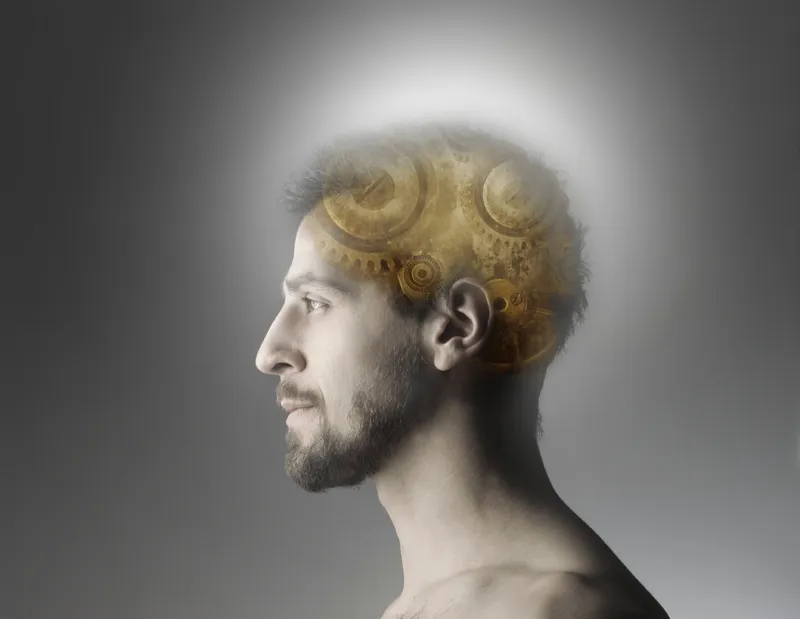
Brain cells may undergo aging in much the same way as skin cells do — with one aging cell affecting many of its neighbors, a new study from England says.
Researchers found that aging mouse neurons produced several substances, including free radicals and other molecules that can promote inflammation and alter DNA, which can damage nearby cells.
It was known that skin cells produce such substances as they age, becoming "rotten apples" that can affect other cells near them, but it was thought that neurons would age in a completely different way, the researchers said. Skin cells, such as fibroblasts, which are involved in repairing wounds, maintain their ability to divide, whereas most neurons in adults can't divide.
"This study provides us with a new concept as to how damage can spread from the first affected area to the whole brain," said study researcher Thomas von Zglinicki, a professor of cellular gerontology at Newcastle University.
The finding may open up new ways to treat brain disorders such as dementia, motor neuron disease or age-related hearing loss, the researchers said. However, they noted that mouse research doesn't always hold up in studies of people.
"We will now need to find out whether the same mechanisms we detected in mouse brains are also associated with brain aging and cognitive loss in humans," von Zglinicki said.
If the finding does apply to humans, "we might have opened up a shortcut towards understanding brain aging," he said.
Get the world’s most fascinating discoveries delivered straight to your inbox.
Pass it on: One aging brain cell can affect the entire brain, a new study suggests.
This story was provided by MyHealthNewsDaily, a sister site to LiveScience. Follow MyHealthNewsDaily on Twitter @MyHealth_MHND. We're also on Facebook & Google+.
