













Promiscuity Boosts Immune Systems in Mice

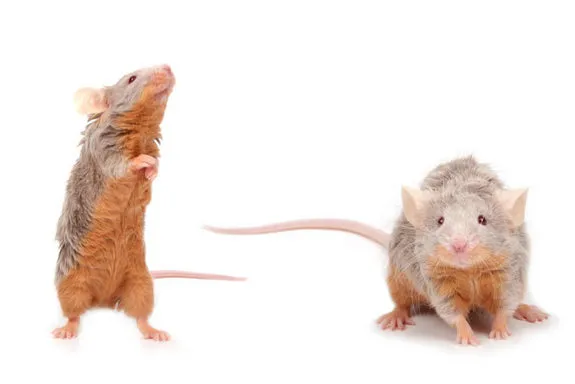
Compared with its monogamous cousin, a promiscuous species of mouse has developed a much more robust immunity to ward off all the disease-causing bacteria it's exposed to from many sex partners, according to new research.
Researchers at the University of California, Berkeley looked at two close relatives: the California mouse (Peromyscus californicus), which sticks to the same partner for its whole life, and the deer mouse (Peromyscus maniculatus), which is sexually promiscuous.
The researchers previously found that female deer mice had twice the vaginal bacteria diversity as their monogamous cousins. The new study, published in the journal PLoS ONE, found that greater diversity extended to their genes. After comparing the two species' genotypes, the researchers confirmed that the deer mice had much more diversity in DNA associated with the immune system.
"The promiscuous mice, by virtue of their sexual system, are in contact with more individuals and are exposed to a lot more bacteria," Matthew MacManes, a UC Berkeley researcher, said in a statement. "They need a more robust immune system to fend off all of the bugs that they're exposed to."
The findings suggest that social behavior can cause evolutionary changes on the genetic level in a species, the researchers said.
Follow LiveScience on Twitter @livescience. We're also on Facebook & Google+.
Get the world’s most fascinating discoveries delivered straight to your inbox.
