













Record Summer Heat Brings Out the Bugs

If you're feeling extra mosquito-bit this summer, you're not alone. According to the National Pest Management Association (NPMA), record hot summer temperatures are bringing out the bugs.
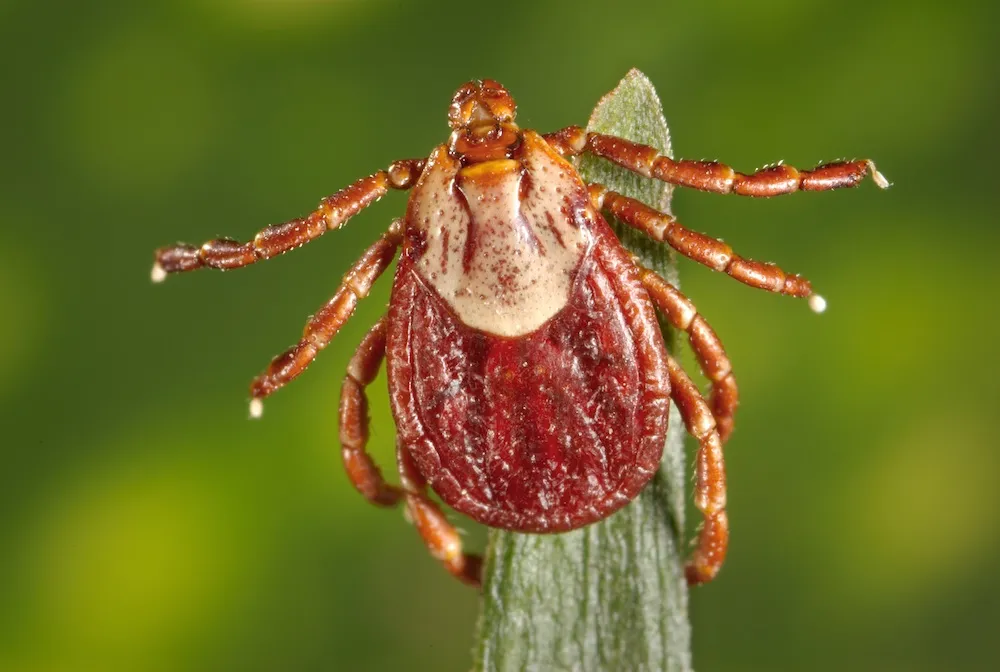
Ants, fleas, ticks, earwigs and black widow are among the pests that are making a strong showing this year, according to the NPMA.
"Insects are cold-blooded, which means that their body temperatures are regulated by the temperature of their environment," NPMA public affairs officer Missy Henriksen said in a statement. "In cold weather, insects' internal temperatures drop, causing them to slow down. But in warm weather, they become more active. Larvae grow at a faster rate, reproduction cycles speed up, and they move faster."
Hot has been the watchword this year, with the first half of 2012 measuring up as the warmest on record for the United States. June 2011 to June 2012 was also the warmest 12-month period since record-keeping began in 1895, according to the National Oceanic and Atmospheric Administration (NOAA).
Drought across the country's midsection can also exacerbate pest problems, Henriksen said. When insects and arachnids can't find moisture outside, they often head indoors. Areas where rain is more frequent are likely to see increased mosquito breeding, she added.
About 64 percent of the continental United States was experiencing drought as of July 19. The unusually hot summer has also contributed to incidents of heat stroke, low water supply in some areas and blows to agriculture.
Follow LiveScience on Twitter @livescience. We're also on Facebook & Google+.
Get the world’s most fascinating discoveries delivered straight to your inbox.
