













Tuna Need Urgent Protection, Study Concludes
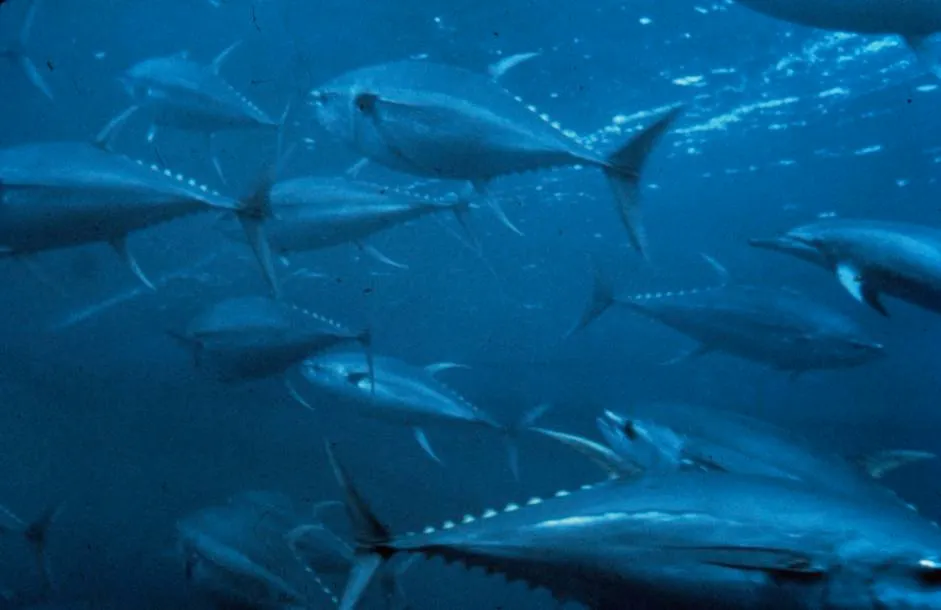
Five of the eight species of tuna now qualify as threatened or near-threatened, according to the world's main authority on the conservation status of animal species. The tuna face a bleak future if more isn't done to safeguard them from overfishing, researchers warn.
Published today (July 7), the draft assessment of the International Union for Conservation of Nature's Red List of Threatened Species shows most tuna species are declining.
"All three bluefin tuna species are susceptible to collapse under continued excessive fishing pressure," said study author Kent Carpenter, manager of the IUCN's Marine Biodiversity Unit. "The southern bluefin has already essentially crashed, with little hope of recovery."
"If no changes are made to current fishing practices, the western Atlantic bluefin stocks are at risk of collapse, as they are showing little sign that the population is rebuilding following a significant reduction in the 1970s," Carpenter added.
Some of the tuna species are heavily overfished by difficult-to-regulate multinational fisheries, which find those fish highly profitable, IUCN researchers said. The study authors state that governments need to firmly resolve to protect against the overexploitation of fish species driven by high prices.
The tuna species on the IUCN list are the critically endangered southern bluefin (Thunnus maccoyii), endangered Atlantic bluefin (T. thynnus), vulnerable bigeye (T. obesus), near-threatened yellowfin (T. albacares) and near-threatened albacore (T. alalunga).
Because tuna are predators, the dwindling populations can significantly affect the balance of the marine ecosystem, researchers noted.
Get the world’s most fascinating discoveries delivered straight to your inbox.
Complete results of the tuna species assessments will be published on the IUCN Red List of Threatened Species in November.
You can follow LiveScience writer Remy Melina on Twitter @remymelina. Follow LiveScience for the latest in science news and discoveries on Twitter @livescience and on Facebook.