













Architect: Great Pyramid May Hold Secret Rooms

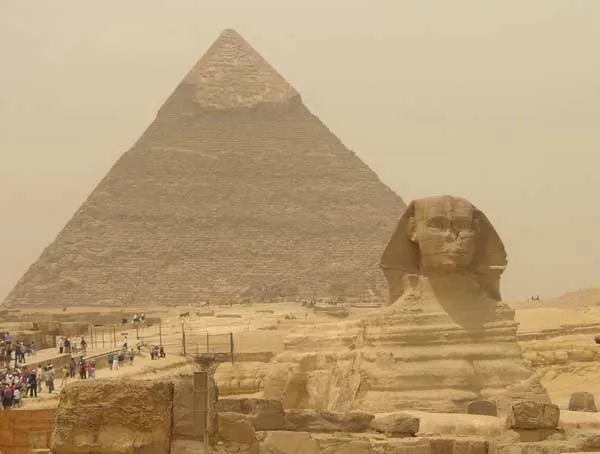
A French architect known for his theories on how the Great Pyramid of Giza was built now believes the 4,500-year-old structure houses two secret rooms at its heart.
Jean-Pierre Houdin told reporters Thursday (Jan. 27) that 3-D simulations and data from American Egyptologist Bob Brier backs up his theory, Physorg.com reported. The rooms would have held furniture meant to be taken into the afterlife by the Pharaoh Khufu, Houdin said. [Gallery: Amazing Egyptian Discoveries]
Pyramid theories
Houdin has argued for decades that the Great Pyramid was not built using ramps around the outside, but from the inside out. The idea is that Egyptians would have built the foundation of the pyramid using an outside ramp to pull blocks up from the ground. Then, about a third of the way up, they would have dismantled the ramp and used an inner corkscrew ramp to finish the structure. The original outside ramp would have been dismantled and the stones used to top off the pyramid.
In 2008, Houdin told National Geographic that L-shaped rooms in the pyramid support his theory. The rooms would have provided space for workers to maneuver large blocks, he said.
The theory remains unproven, though a Canadian research team plans to seek permission from Egypt's antiquities department to investigate further with thermal imaging of the pyramid, Houdin said, according to the Physorg.com article.
The construction debate isn't limited to how the Egyptians moved the blocks: Some researchers question where the blocks came from. Some tests suggest that at least some blocks were made of poured concrete instead of quarried — a controversial theory.
Get the world’s most fascinating discoveries delivered straight to your inbox.
Jean-Pierre and the chamber of secrets
Houdin's secret room proposal is based upon similar rooms found in the pyramid of Khufu's father Snefru, a king known for numerous pyramid-building projects. Based on blocks found in the king's chamber of the Great Pyramid, Houdin suspects Egyptologists have overlooked a passageway leading to the secret rooms.
"I am convinced there are antechambers in this pyramid," Houdin told reporters. "What I want is to find them."
Read the full story at Physorg.com.
