

-
 'Lost extinction,' uncovered for the first time, claimed more than 60% of Africa's primates
More than half of the species in five mammal groups went extinct in Africa about 34 million years ago, scientists recently discovered.
primates -
 Pablo Escobar's 'cocaine hippos' are being sterilized because the population is out of control
Contraception may be the only key to controlling a population boom in feral hippos living in Colombian rivers near Pablo Escobar's former estate.
land-mammals -
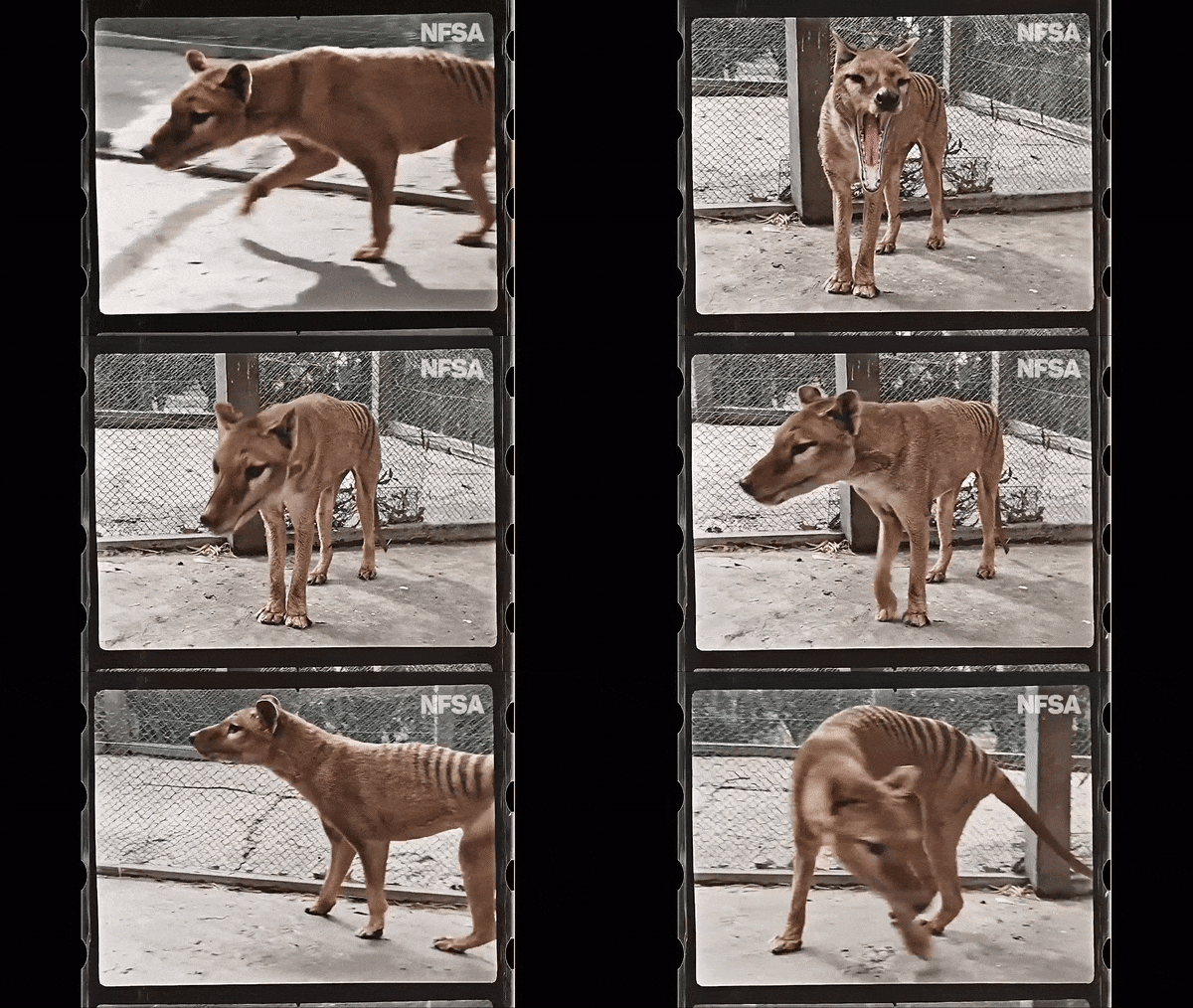 Stunning colorized footage provides a glimpse of the last known Tasmanian tiger
Thylacines, once widespread in Australia, have been extinct for nearly a century, but newly colorized footage provides a glimpse of what they looked like in life.
cats -
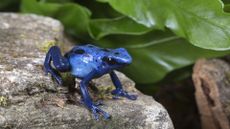 Why is the color blue so rare in nature?
Of all the colors we can see in nature, blue is one of the rarest.
planet-earth -
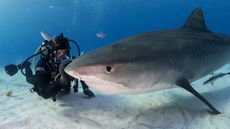 Humans are the real monsters in gory new shark documentary
Acclaimed horror director Eli Roth has a new documentary on a horrific subject: the shark finning trade.
sharks -
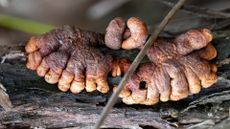 Rare 'zombie fingers' parasitic fungus is hanging on (barely) in Australia
Scientists recently found that a fungus resembling zombies' fingers is more widespread in Australia than anyone suspected.
plants -
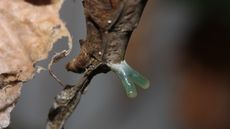 Dragon mantis females have a Y-shaped sex gland that moves like a tentacle and looks like a maggot
A two-pronged, pheromone-producing gland in female dragon mantises only pops up when they are ready to mate.
americas -
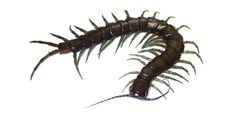 Newfound species of amphibious giant centipede named for woman cursed by the gods
Researchers recently described a new species of amphibious giant centipede in an archipelago in Japan.
animals -
 Scientists want to store DNA of 6.7 million species on the moon, just in case
Scientists have unveiled plans for a lunar ark on the moon containing genetic information on 6.7 million species to ensure their preservation against existential threats.
genetics


