

-
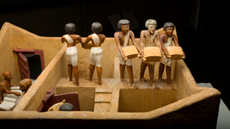 Ancient Egyptian 'granary with scribes' diorama: A miniature workplace found buried in a tomb from the Middle Kingdom
A small, wooden diorama found in an ancient Egyptian tomb reflects the importance of grain in an agricultural society.
6 Commentsancient-egyptians -
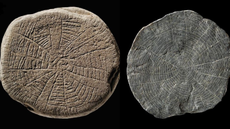 Stone Age people made sun stone 'sacrifice' to banish 'darkened sun' after a volcanic eruption, archaeologists say
Hundreds of stone artifacts discovered on a Danish island may have been offered to the gods to ward off a climate crisis.
archaeology -
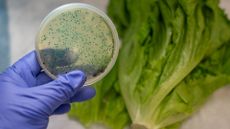 How does E. coli get into food?
Dangerous strains of E. coli bacteria can infiltrate the food supply through many different routes, experts explain.
bacterial-fungal -
 'Like they were demon possessed': Geomagnetic super storms are causing tractors to dance from side to side across US farms — and the sun is to blame
Powerful solar storms in May and October painted auroras across large parts of North America. But some U.S. farmers also witnessed unusual activity from their high-tech machinery, which started boogying back and forth as a result of the geomagnetic disturbances.
the-sun -
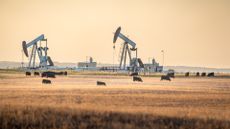 Greenhouse gas 80 times more potent than CO2 is rising in the atmosphere — and fast
Human activities now account for two-thirds of all methane venting to the atmosphere, and our efforts to staunch the flow are not yet bearing fruit.
climate-change -
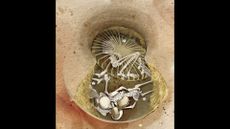 Neolithic women in Europe were tied up and buried alive in ritual sacrifices, study suggests
The research found evidence of the "incaprettamento" method of murder at 14 Neolithic sites in Europe.
archaeology -
 Obsidian blades with food traces reveal 1st settlers of Rapa Nui had regular contact with South Americans 1,000 years ago
The earliest settlers of Rapa Nui, also known as Easter Island, appear to have had some sort of contact with people from South America as early as 1,000 years ago, a new plant study finds.
americas -
 What does python taste like? Because it could be slithering onto our dinner plates.
A study conducted on two snake farms has found that breeding pythons for meat is more energy and resource-efficient than current livestock production, offering a viable protein alternative.
snakes -
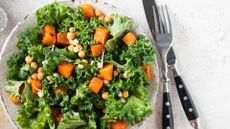 Scientists tested 10 meals to find the perfect food for space travel
Scientists assessed a variety of "space dishes" and determined that the optimal (and tastiest) dish for male astronauts would be a hearty vegetarian salad.
food-drink


