













35-year study hints that coronavirus immunity doesn't last long

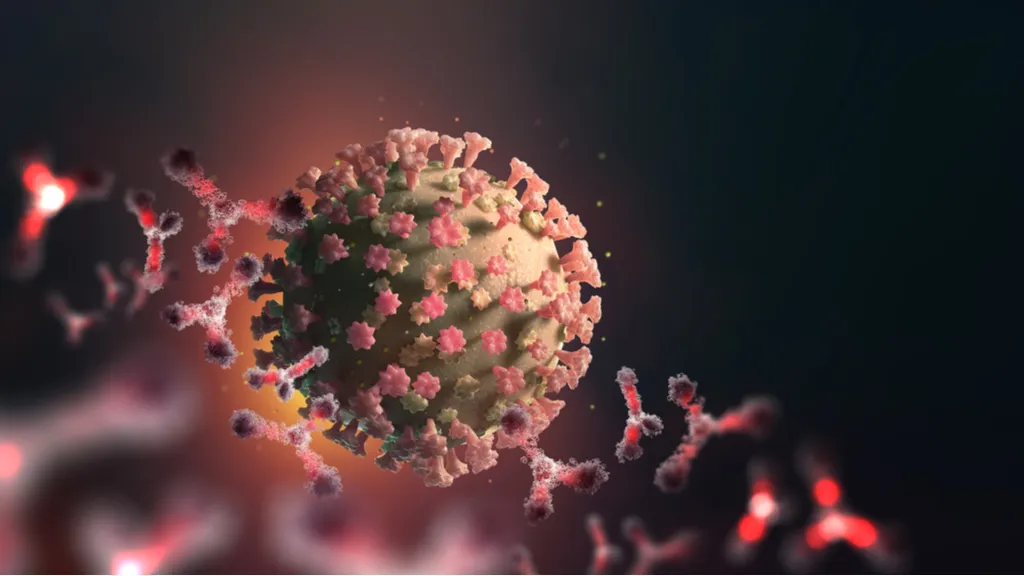
Coronaviruses that cause the common cold can infect people repeatedly, hinting that immunity to the novel coronavirus that causes COVID-19 might be similarly short-lived.
In a new study, published Sept. 14 in the journal Nature Medicine, scientists monitored 10 individuals for more than 35 years to determine how often they became infected with the four known seasonal coronaviruses. Since these viruses — known as HCoV-NL63, HCoV-229E, HCoV-OC43 and HCoV-HKU1 — either cause mild symptoms of the common cold or no symptoms at all, the team periodically screened the participants' blood for antibodies to spot new cases of infection.
When blood samples show an increase in the number of antibodies targeting a specific virus, as compared with prior samples, that means that the person's immune system is fighting off a new infection. The researchers determined how steep this shift in antibody levels had to be to constitute a confirmed infection, rather than random fluctuation.
Related: 20 of the worst epidemics and pandemics in history
"The new data show that immunity to other coronaviruses tends to be short-lived, with reinfections happening quite often about 12 months later and, in some cases, even sooner," Dr. Francis Collins, director of the National Institutes of Health (NIH), wrote in a commentary about the research. In a few instances, reinfections occurred as early as six months and nine months after a prior infection, the study authors found.
The 10 study participants were all part of the Amsterdam Cohort Studies (ACS) on HIV-1 infection and AIDS, a study of the prevalence, incidence and risk factors for HIV infection that began in the 1980s. The participants, all HIV-negative, gave blood samples every three to six months throughout the study, providing 513 samples in total.
For the new study the authors rescreened those samples for coronavirus infections, in particular looking for antibodies that target a specific portion of each virus's nucleocapsid — the hard shell of protein that surrounds their genetic material, known as RNA.
Get the world’s most fascinating discoveries delivered straight to your inbox.
Based on this analysis, the team found that each participant caught three to 17 coronavirus infections within the study period, with reinfections occurring every six months to eight years and nine months. Most often, however, reinfection of a particular coronavirus occurred about a year after the prior infection.
"We show that reinfections by natural infection occur for all four seasonal coronaviruses, suggesting that it is a common feature for all human coronaviruses, including SARS-CoV-2," the virus that causes COVID-19, the authors wrote.
Although the authors did not study SARS-CoV-2 in their research, they argue that the trend seen among common coronaviruses might still extend to the new virus. All the common coronaviruses, despite belonging to the same family, are genetically and biologically distinct, so any traits shared among them may be "representative of all human coronaviruses, including SARS-CoV-2," the authors wrote. That said, we don't yet know whether SARS-CoV-2 has the potential to reinfect humans as often as the others do.
What's more, "at least three caveats ought to be kept in mind when interpreting these data," Collins noted.
First, the participants' fluctuating antibody levels don't tell us anything about whether they actually got sick with each reinfection. The increase in antibodies "might have provided exactly the response needed to convert a significant respiratory illness to a mild case of the sniffles or no illness at all," Collins wrote. In theory, it's also possible the four viruses may have had genetic mutations that allowed them to reinfect people. And participants may have had some immunity to the viruses through their white blood cells, rather than their antibodies alone.
Related Content
White blood cells known as B cells and T cells work together to recognize foreign substances in the body, including viruses, and rally the immune system to fight pathogens in a variety of ways, Live Science previously reported. "Antibodies are only one marker for immunity, which is probably also influenced by B cell- and T cell-mediated immunity," the authors noted.
T cells and B cells may also contribute to immunity against SARS-CoV-2, though we don't know how much, Collins wrote. As people gain immunity to the virus, either through natural infections or a future vaccine, it will be important to track how long that immunity lasts, he said. It's possible that people will need to be vaccinated on a recurring basis to keep the virus at bay, Live Science previously reported.
In the new study, the team also found that seasonal coronavirus infections occur more often in the winter months than summer months in the Netherlands, and suggested that COVID-19 may eventually share the same seasonal pattern. Other experts have also predicted that COVID-19 may circulate annually after the pandemic ends.
Originally published on Live Science.

Nicoletta Lanese is the health channel editor at Live Science and was previously a news editor and staff writer at the site. She is a recipient of the 2026 AHCJ International Health Study Fellowship, with a project focused on antibiotic stewardship practices in Japan and the U.S. They hold a graduate certificate in science communication from UC Santa Cruz and degrees in neuroscience and dance from the University of Florida. Beyond Live Science, Lanese's work has appeared in The Scientist, Science News, the Mercury News, Mongabay and Stanford Medicine Magazine, among other outlets. Based in NYC, she also remains involved in dance and performs in local choreographers' work.