













COVID-19 infects the mouth. Could that explain patients' taste loss?

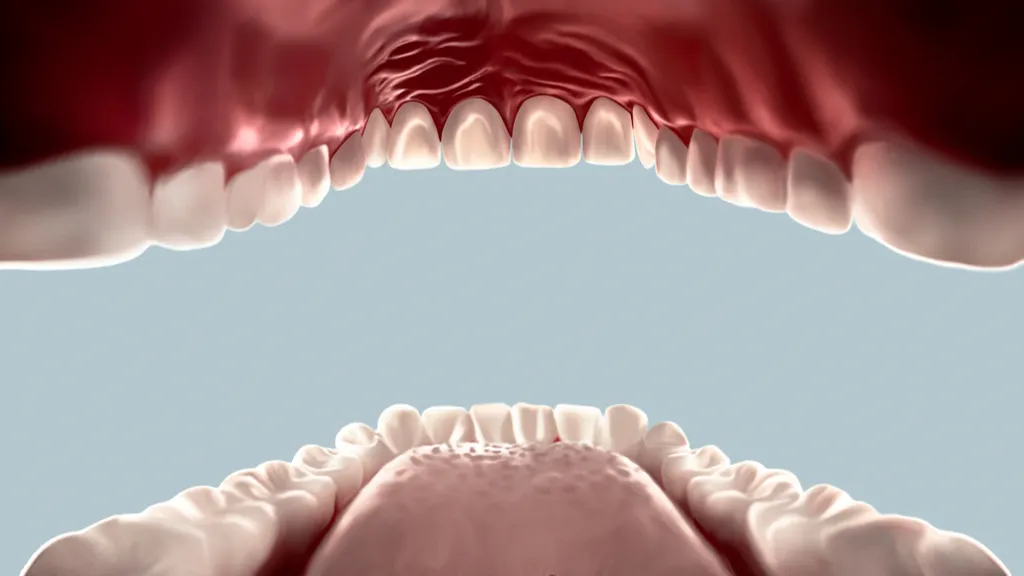
The coronavirus SARS-CoV-2 can infect cells in the mouth, which may spur the virus's spread both in the body and to other people, according to a preliminary study.
In the new study, posted Oct. 27 to the preprint database medRxiv, researchers predicted which mouth tissues might be most vulnerable to SARS-CoV-2, the virus that causes COVID-19. So the team examined RNA — a kind of genetic material that tells the cells' protein-making factories what to build — for different cell types in the mouth. They found that, compared with other oral tissues, cells of the salivary glands, tongue and tonsils carry the most RNA linked to proteins that the coronavirus needs to infect cells. Namely, these include the ACE2 receptor, which the virus plugs into, and an enzyme called TMPRSS, which allows the virus to fuse its membrane with that of the host cell and slip inside.
The researchers went on to sample saliva from COVID-19 patients and found that, since mouth cells slough off into our spit, they could detect infected cells floating in the samples. The more virus they found, the more likely a given patient had smell and taste loss as one of their symptoms, although saliva from several asymptomatic people also contained infected cells. In addition, the team examined mouth tissue from COVID-19 patients who had died, and they found more evidence of infection in the vulnerable cell types they had flagged.
"Our study shows that the mouth is a route of infection as well as an incubator for the SARS-CoV-2 virus that causes COVID-19," Dr. Kevin Byrd, a research scholar and manager of Oral and Craniofacial Research at the American Dental Association Science and Research Institute, told Live Science in an email.
Theoretically, SARS-CoV-2 infection in the mouth could cause changes in saliva production or quality, contributing to symptoms of taste loss, he said. Future research could reveal how this mouth infection affects the course of illness in COVID-19 patients, as well as how those infected cells contribute to the spread of the coronavirus between people.
Related: 20 of the worst epidemics and pandemics in history
"Seeing the presence of the virus within the salivary glands, I think that's the novelty," said Dr. Alessandro Villa, an assistant professor and chief of the Sol Silverman Oral Medicine Clinic at the University of California, San Francisco, who was not involved in the study. "That's what's interesting to me as a clinician."
Get the world’s most fascinating discoveries delivered straight to your inbox.
That said, the study only looked at a few dozen people, Villa said. "The numbers are small, for sure, so it will be interesting to see what happens if you look at more patients and more tissues," he said.
Thankfully, the study authors helped craft a tool that could make future studies of oral infection easier. Specifically, they created an atlas of different cells in the mouth, which essentially serves as a map of which cells contain what RNA, and where. Byrd and his co-author Dr. Blake Warner, an assistant clinical investigator in the Salivary Disorders Unit at the National Institute of Dental and Craniofacial Research, a branch of the U.S. National Institutes of Health, worked with an organization called the Human Cell Atlas to organize and refine the data.
"This new atlas provided us a way to analyze 50 oral cell types … at once for the common 'front doors' the virus uses to enter cells for infection," Byrd said. The atlas helped them pinpoint the cells at highest risk for SARS-CoV-2 infection, and then the team checked their work against saliva samples and autopsied tissue from patients.
While the study makes a convincing case that SARS-CoV-2 infects cells in the mouth, some questions remain unanswered.
Related: Going viral: 6 new findings about viruses
For one, the study cannot show how much of the virus found in saliva actually comes from infected mouth cells. It's possible that some virus originates from elsewhere, such as the nose or the lungs, Byrd said. "However, we found these underappreciated but widely distributed salivary glands" — the so-called minor salivary glands — "can make their own virus after infection," he said. The team confirmed this by checking the levels of coronavirus RNA in the cells using PCR, a kind of test often used to detect and diagnose COVID-19, as well as a technique called in situ hybridization that also detects genetic material.
"We hypothesize this is the primary source of virus in saliva," Byrd told Live Science. This would need to be confirmed in more COVID-19 patients.
Related Content
In addition, we don't yet know how the function of salivary glands changes after getting infected with the coronavirus. "If the saliva production is somehow compromised, one could speculate that one could develop taste changes or loss of taste," because saliva carries molecules to taste receptors on the tongue, Villa said. "Again, it's a hypothesis," Villa said. Oral SARS-CoV-2 infection may also contribute to other symptoms , such as dry mouth and blistering in mucosal tissues, the study authors wrote.
A better understanding of how the coronavirus infects mouth cells, at the molecular level, could help improve treatments for patients with these symptoms, Byrd said. Several clinical trials are also investigating whether oral rinses could help prevent or treat COVID-19 infection; UCSF researchers plan to conduct one such trial, according to ClinicalTrials.gov, and Villa is working with another team to organize an additional trial of several rinses, he told Live Science.
In the meantime, the new study drives home one important point: Asymptomatic people can carry plenty of viral particles in their saliva. In two asymptomatic people included in the study, the virus was found in their saliva 14 days after their first positive test, even though they had already tested negative for the virus in their nose and throat at that point. The study did not address whether the detected virus was still viable, meaning it could infect cells.
"This research mightily underscores the importance of the public health measures we know are effective — masks, social distancing and handwashing — whether you have symptoms or not," Byrd said. In terms of how oral infection fits into the big picture of COVID-19, "there is much to learn about where SARS-CoV-2 begins, travels within our bodies and finally is cleared," he said.
Originally published on Live Science.

Nicoletta Lanese is the health channel editor at Live Science and was previously a news editor and staff writer at the site. She is a recipient of the 2026 AHCJ International Health Study Fellowship, with a project focused on antibiotic stewardship practices in Japan and the U.S. They hold a graduate certificate in science communication from UC Santa Cruz and degrees in neuroscience and dance from the University of Florida. Beyond Live Science, Lanese's work has appeared in The Scientist, Science News, the Mercury News, Mongabay and Stanford Medicine Magazine, among other outlets. Based in NYC, she also remains involved in dance and performs in local choreographers' work.