













Newly discovered 'death receptor' could help drive type 1 diabetes
Scientists are studying potential treatments to block the receptor.

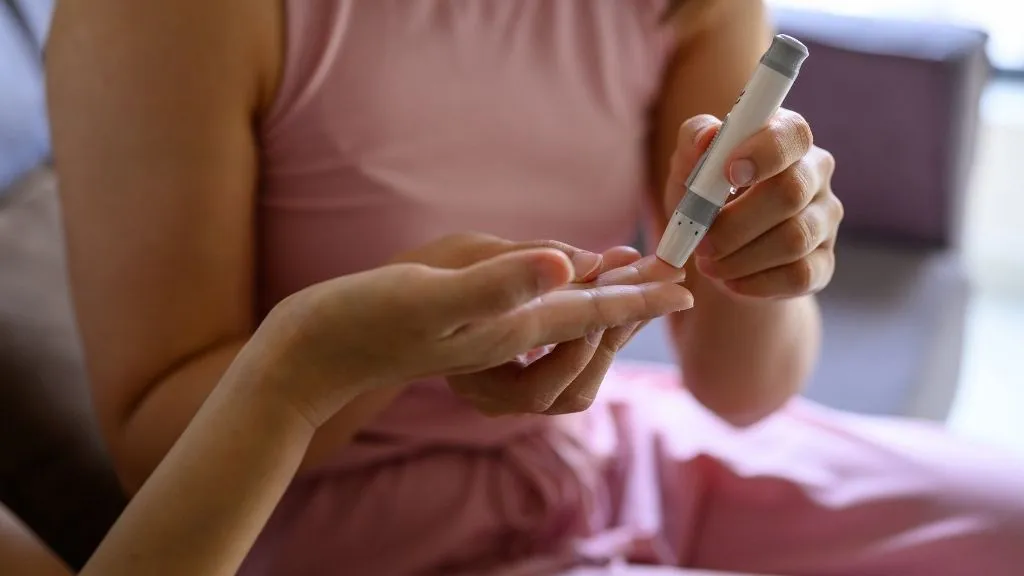
Insulin-producing cells in the pancreas carry a "death receptor" that, when activated, causes the cells to self-destruct. This cellular self-destruct button may in turn contribute to the development of type 1 diabetes, according to a new study in mice and human tissues.
The findings also suggest a potential way to rescue some of these cells from certain death — by locking those cellular doorways, according to a new study.
Type 1 diabetes is an autoimmune disorder where the immune system attacks the insulin-producing beta cells in the pancreas. A hallmark of type 1 diabetes is the death of these beta cells, but exactly why those cells die isn't entirely clear; scientists suspect multiple mechanisms are at play, according to a 2016 report in The Journal of Autoimmunity.
Related: 12 amazing images in medicine
The new study identifies the death receptor, called transmembrane protein 219 (TMEM219), which sits within the outer membrane of beta cells, as a key player in this process, according to a statement. A protein called insulin-like growth factor binding protein 3 (IGFBP3) binds to the portion of the death receptor that juts off the cell surface, and by doing so, it sets off a chain of events inside the cell. This chain of events spells certain doom for the beta cell — it triggers apoptosis, or cellular suicide, the new study found.
In several laboratory studies with mice, the researchers tried different ways of preventing this chain of events from unfolding; the mice used in the study were genetically modified such that they're prone to type 1 diabetes.
In one experiment, for example, the team deleted the death receptor altogether using genetic modification, and in another they blocked the receptor using a protein that had been modified for that purpose. The team found that, when they temporarily blocked the death receptor in mice, a larger number of beta cells survived than did in untreated mice, and insulin production increased. This, in turn, delayed or prevented the onset of diabetes in the mice. When the team blocked the death receptor for an extended period of time, the animals' beta cells increased in number.
Get the world’s most fascinating discoveries delivered straight to your inbox.
RELATED CONTENT
The team also ran experiments with human beta cells. Applying IGFBP3 to the tissues triggered rampant beta cell death, but by blocking the death receptors on the cells, the researchers could stop this damage from occurring and allow the cells to keep producing insulin.
Supporting what they found in the laboratory, the team also found that people diagnosed with diabetes and those at high risk of diabetes both carried high levels of IGFBP3, as compared with those who did not have diabetes. This was also true of diabetic and prediabetic mice, compared with healthy mice, they found.
"We think that in disease, IGFBP3 production may be increased, so there is a loss of beta cells," Dr. Paolo Fiorina, a research associate and assistant professor at Harvard Medical School and Boston Children's Hospital, said in the statement. Fiorina is the founder of a biotechnology company, Enthera, that's developing treatments to block the beta cell death receptor. The first human trials of such a treatment could begin by fall 2022, according to the statement.
"The common thought for type 1 diabetes is that it [is] autoimmune," Fiorina said. "But immunotherapy doesn't completely cure diabetes." We think that IGFBP3 acts as a "betatoxin" and disrupts the normal function of beta cells, and thus also contributes to the development of diabetes, he said.
The new study was published Thursday (Feb. 3) in the journal Nature Communications.
Originally published on Live Science.

Nicoletta Lanese is the health channel editor at Live Science and was previously a news editor and staff writer at the site. She is a recipient of the 2026 AHCJ International Health Study Fellowship, with a project focused on antibiotic stewardship practices in Japan and the U.S. They hold a graduate certificate in science communication from UC Santa Cruz and degrees in neuroscience and dance from the University of Florida. Beyond Live Science, Lanese's work has appeared in The Scientist, Science News, the Mercury News, Mongabay and Stanford Medicine Magazine, among other outlets. Based in NYC, she also remains involved in dance and performs in local choreographers' work.