













Vaccines neutralize New York coronavirus variant in lab dishes

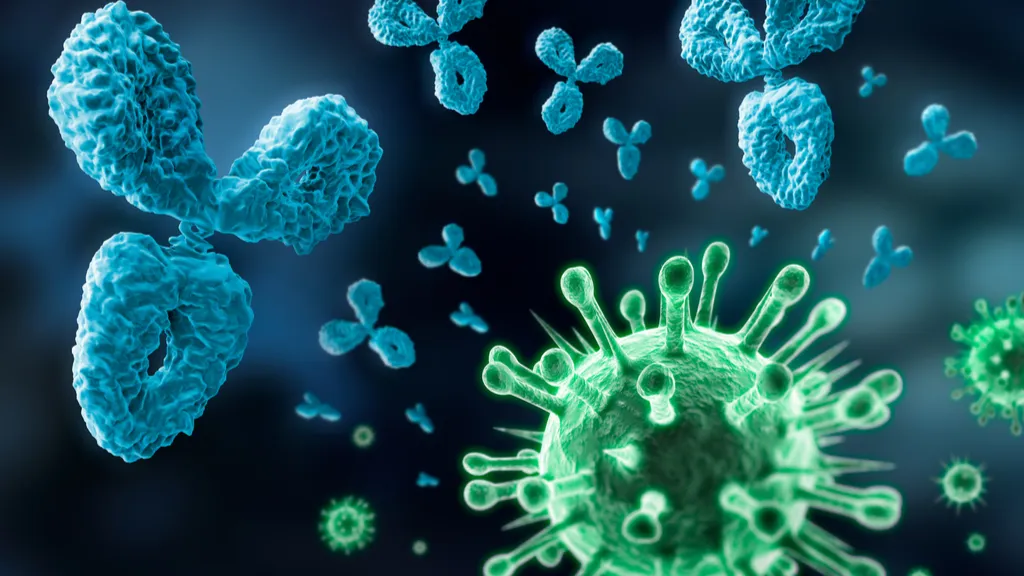
The COVID-19 vaccines made by Pfizer and Moderna both work well against a coronavirus variant first found in New York City — at least according to experiments in lab dishes, The New York Times reported.
The variant, called B.1.526, has steadily gained prominence since it was first discovered last November; by mid-April 2021, the variant accounted for nearly half of all new cases in the city, the Times reported. B.1.526 shares some mutations with the variant identified in South Africa, which appears somewhat resistant to vaccines; there's also concern that the B.1.526 variant may be more contagious than the original virus.
To check whether COVID-19 vaccines protect against the widespread variant, two independent research groups ran experiments with blood samples from vaccinated people, as well as those who previously caught COVID-19.
Neither study has been peer-reviewed yet, but both offer promising results.
Related: 20 of the worst epidemics and pandemics in history
Both teams of researchers zoomed in on neutralizing antibodies in the blood samples, meaning antibodies that latch onto the virus and prevent it from infecting cells. The B.1.526 variant carries mutations in its spike — a protein that plugs into cells to infect them — and if the mutations alter the spike too drastically, some neutralizing antibodies may fail to grab hold.
In their experiments, the teams attached this mutant spike to so-called pseudoviruses, which are engineered in the lab, and then exposed the pseudoviruses to antibodies to see how many would latch on.
Get the world’s most fascinating discoveries delivered straight to your inbox.
Both studies found that the neutralizing antibodies drawn from vaccinated people bound the virus more effectively than antibodies collected from people who previously caught COVID-19. In general, vaccinated people generate a different assortment of antibodies than those who contract the virus, and these subtle differences may make vaccine-induced immunity more protective than that gained through natural infection, according to the Times.
Vaccine-induced antibodies were slightly less potent against B.1.526 compared with the original form of the coronavirus, but the difference was marginal, both teams also found.
RELATED CONTENT
"We're not seeing big differences," Dr. Michel Nussenzweig, an immunologist at Rockefeller University in New York and author of one of the studies, told the Times.
That said, the studies highlight one particular mutation that should be closely monitored going forward. The B.1.526 variant comes in several flavors, each carrying a slightly different collection of mutations; one of these mutations, known as "Eek," appears to resist neutralization more so than others, the Times reported.
"This could certainly be a step toward the virus becoming somewhat more resistant to infection- and vaccine-mediated immunity," Jesse Bloom, an evolutionary biologist at the Fred Hutchinson Cancer Research Center in Seattle, told the Times. "I don’'t think it's something that people need to immediately become alarmed about, but it definitely impresses us as important."
Read more about the new lab studies in The New York Times.
Originally published on Live Science.

Nicoletta Lanese is the health channel editor at Live Science and was previously a news editor and staff writer at the site. She is a recipient of the 2026 AHCJ International Health Study Fellowship, with a project focused on antibiotic stewardship practices in Japan and the U.S. They hold a graduate certificate in science communication from UC Santa Cruz and degrees in neuroscience and dance from the University of Florida. Beyond Live Science, Lanese's work has appeared in The Scientist, Science News, the Mercury News, Mongabay and Stanford Medicine Magazine, among other outlets. Based in NYC, she also remains involved in dance and performs in local choreographers' work.