













Recipe for Genius Revealed

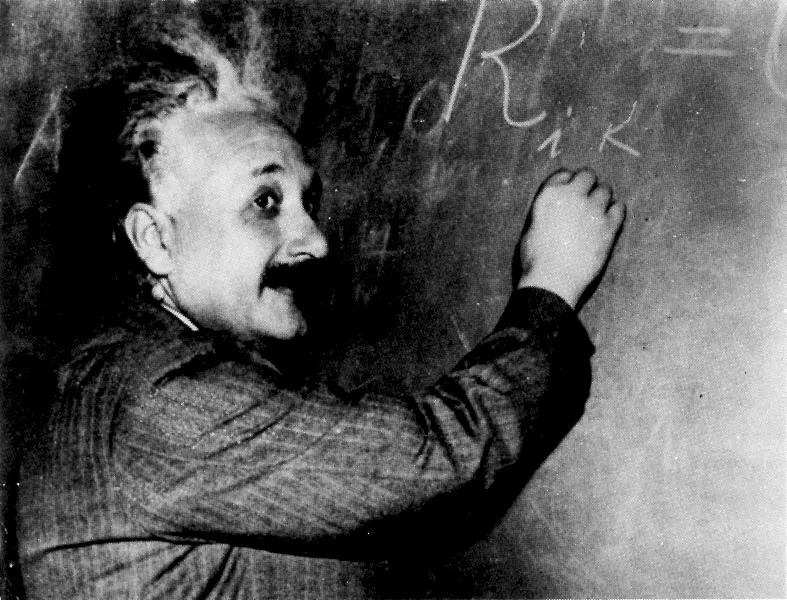
If you think the innate talents of your child alone will produce the next Albert Einstein, think again.
The real recipe for producing a bright-minded adult, according to a new study, calls for a few ingredients—cognitive abilities, educational opportunities, interest, and plain old hard work.
The 35-year study, published online on Dec. 18 by the journal Perspectives on Psychological Science, tracked 5,000 mathematically gifted individuals throughout their lives, beginning at age 12. Success was measured by the number of patents earned, tenures secured at universities and income, among other factors.
“We found that mathematical gifts and a variety of aptitudes have a significant impact, but that special educational opportunities and commitment can dramatically increase this impact,” said study co-author David Lubinski, a researcher at Vanderbilt University. “These students are intellectually gifted, and those gifts are best fully realized when they have the full support and understanding of their teachers, their parents and their social network.”
Lubinski and his colleagues also found that even amongs the cognitive elite, individual abilities vary. Previous theories stated that differences among the very top students are doubtful.
Individual differences in that range have a lot of educational and vocational implications and they even have implications for creativity, Lubinski told LiveScience. “What we have done, for example, is compare the top and bottom quartiles within that range and we find that the top quartiles earn many more patents, are more likely to get a Ph.D., and have higher incomes.”
In all these cases, however, the gifted kids identified by the researchers learned at rapid rates and needed their educational curriculum structured so it matched with their learning rates to avoid boredom and enhance their maximum development.
Get the world’s most fascinating discoveries delivered straight to your inbox.
But after that, these kids are individuals and have all the strengths, weaknesses and variations in interest and personality that you see in the human condition and they shouldn’t be treated as a categorical type, Lubinski said.
Originally published on Live Science.
